An interventional, opioid-free approach to lasting pain relief across Hawaii's Neighbor Islands

You have done everything you were told to do. You went to your primary care doctor after the injury. You took the ibuprofen. You completed six, eight, maybe twelve weeks of physical therapy. You did the stretches at home. And you are still in pain.
If this describes your situation, you are not alone, and you are not imagining things. Chronic pain—defined by the medical community as pain persisting beyond the normal tissue healing period, typically three months or longer—affects approximately 50 million American adults, according to the National Institutes of Health. For nearly 20 million of those individuals, the pain is severe enough to interfere with daily life and work.
The problem is that many patients reach a treatment plateau and do not know what comes next. Their primary care doctor may offer another round of anti-inflammatories or, worse, an opioid prescription. Their physical therapist has done what physical therapy can do. And the patient is left in a frustrating limbo, wondering whether surgery is the only remaining option.
It is not. There is a middle ground between physical therapy and the operating room, and that is where interventional pain medicine lives. At Vally Medical Group, my entire practice is built around this concept: using targeted, evidence-based, opioid-free treatments to address the actual source of chronic pain rather than simply managing the symptoms. This article explains what that looks like in practice, who it is for, and why it matters for patients across Hawaii's Neighbor Islands.
Let me be clear about something up front: physical therapy is a valuable discipline, and for many injuries, it is exactly the right treatment. Strengthening weakened muscles, restoring range of motion, and retraining movement patterns are all essential components of recovery. I have referred many patients to physical therapy over the course of my career, and I will continue to do so when the clinical situation calls for it.
But physical therapy has limits. It works best for musculoskeletal conditions where the primary issue is weakness, stiffness, or dysfunctional movement patterns. When pain persists after a full course of PT, it usually signals that something deeper is going on—something that exercise and manual therapy alone cannot fix.
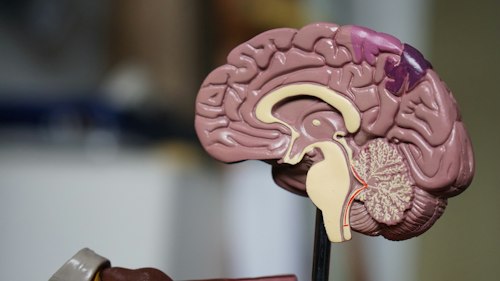
The most common scenarios I see in patients who have hit the PT plateau include structural damage that has not been adequately diagnosed or addressed, such as a herniated disc that is compressing a nerve root, a labral tear in the hip or shoulder, or facet joint arthritis in the spine. Physical therapy can strengthen the muscles around these structures, but it cannot repair the tear, decompress the nerve, or eliminate the inflammatory cascade coming from a damaged joint.
Another common scenario involves nerve-mediated pain. When a nerve is irritated, compressed, or damaged, it can generate pain signals that persist regardless of how strong or flexible the surrounding muscles become. Conditions like sciatica, cervical radiculopathy, and peripheral neuropathy fall into this category, and they require interventional approaches that directly target the nerve itself.
Finally, there is the reality of chronic inflammatory conditions—tendinopathies, bursitis, and degenerative joint disease—where the underlying tissue pathology continues to produce pain even as the patient dutifully completes their home exercise program. These conditions often respond well to regenerative treatments like platelet-rich plasma therapy, which addresses the damaged tissue at a cellular level.
If any of these apply to you, it does not mean physical therapy failed. It means your condition requires a different level of care—one that goes beyond what PT and medication management can offer. That is precisely the gap that an interventional pain specialist is trained to fill.
The scale of America's opioid crisis is difficult to overstate. According to provisional data from the Centers for Disease Control and Prevention, opioid overdose deaths fell to approximately 54,700 in 2024—a significant decline from prior years, but still a figure that represents enormous human suffering. The crisis remains a declared public health emergency, renewed most recently in early 2025.
For chronic pain patients, the data is particularly troubling. Research published in the Frontiers in Pain Research journal found that approximately 21 to 29 percent of patients prescribed opioids for chronic pain misuse them, and about 8 to 12 percent develop opioid use disorder. These are not abstract statistics—they represent real patients whose treatment for one problem created another, often far more devastating one.
Despite these well-documented risks, many large healthcare networks continue to rely heavily on pharmacological management as a primary approach to chronic pain. The model is straightforward from a business perspective: it requires minimal physician time per patient, it scales easily across high-volume clinics, and it keeps patients returning for prescription renewals. But it does not heal anything. It masks pain while the underlying condition continues to deteriorate, and it exposes patients to the very real dangers of long-term opioid dependence.
When a clinic's primary approach to chronic pain is prescription management—cycling patients through NSAIDs, muscle relaxants, gabapentinoids, and eventually opioids—the patient is being managed, not treated. Each medication manages a symptom. None of them repair damaged tissue, decompress an irritated nerve, or restore function to a degenerating joint. At Vally Medical Group, we take a fundamentally different approach.
An opioid-free practice is not just a marketing tagline—it is a clinical philosophy that shapes every treatment decision. At Vally Medical Group, it means that we do not prescribe opioid medications for chronic pain management. Period. Instead, we invest in treatments that target the source of pain rather than dulling the brain's perception of it.
This approach aligns with the direction that federal health policy is moving. In September 2025, the FDA issued new guidance specifically aimed at expanding non-opioid treatment options for chronic pain. Legislative efforts like the NO PAIN Act are working their way through Congress with the same goal. The medical community increasingly recognizes that the future of pain management is interventional and regenerative, not pharmacological.
For patients, the practical benefits of opioid-free treatment are significant. There is no risk of physical dependence. There is no cognitive impairment that prevents you from driving, working, or caring for your family. And critically, for patients with personal injury or workers' compensation claims, an opioid-free treatment record eliminates the defense strategy of attributing your ongoing symptoms to medication dependence rather than legitimate injury.
When I talk about interventional pain medicine, I am referring to a category of treatments that directly target the anatomical source of pain using minimally invasive, evidence-based procedures. These are not experimental or fringe therapies—they are well-established modalities with strong clinical evidence behind them, and they represent the standard of care in modern pain management.
At Vally Medical Group, we offer a comprehensive suite of interventional and regenerative treatments. Each one serves a different purpose, and the right choice depends on your specific diagnosis, your pain patterns, and your treatment goals. Here is how they work.
Regenerative treatments like PRP harness your body's own healing mechanisms to repair damaged tissue.
Targeted injections of local anesthetic near specific nerves to interrupt pain signals. Highly effective for sciatica, cervical radiculopathy, and facet joint pain. Provides both immediate diagnostic information and therapeutic relief.
Your own blood is drawn, processed to concentrate healing growth factors, and injected directly into damaged tissue. Promotes genuine tissue repair for tendinopathies, ligament injuries, osteoarthritis, and degenerative disc conditions.
Precision-guided therapeutic injections targeting inflamed joints, trigger points, and soft tissue structures. Reduces inflammation and pain at the source, allowing the body's natural healing processes to resume.
Delivers concentrated oxygen under gentle pressure to accelerate tissue repair, reduce inflammation, and promote recovery at the cellular level. Particularly effective for post-surgical healing and chronic wound recovery.
Interventional procedures are often most effective when combined with complementary therapies that support the body's healing response. At Vally Medical Group, we integrate several additional modalities into our treatment plans:
| Treatment | How It Works | Best For |
|---|---|---|
| Acupuncture | Stimulates specific points to modulate pain signaling and reduce inflammation through the nervous system | Chronic back pain, neck pain, headaches, neuropathy |
| Therapeutic Massage | Targets deep tissue adhesions, reduces muscle guarding, and improves circulation to injured areas | Muscle spasm, myofascial pain, post-injury tension |
| PENS/TENS Therapy | Uses electrical stimulation to modulate pain pathways and promote endorphin release | Nerve pain, localized chronic pain, post-surgical discomfort |
| Infrared Sauna | Deep-penetrating infrared light increases circulation, reduces inflammation, and promotes tissue repair at the cellular level | Chronic inflammation, muscle recovery, joint stiffness |
| Cold Plunge Therapy | Controlled cold exposure triggers vasoconstriction followed by rebound vasodilation, reducing inflammation and activating the body's recovery response | Acute inflammation, athletic recovery, chronic pain flares |
The key to effective chronic pain management is not any single treatment in isolation—it is the thoughtful combination of treatments tailored to the patient's specific condition, response patterns, and recovery goals. That level of individualized care requires a physician who spends time understanding the complete clinical picture, not a high-volume system that defaults to the same protocol for every patient who walks through the door.
Not all pain clinics are created equal, and the differences in approach can have a profound impact on your outcome. The following comparison illustrates the distinction between the pharmacological management model common in large occupational networks and the interventional approach practiced at Vally Medical Group.
| High-Volume Medication Model | Interventional & Regenerative Model | |
|---|---|---|
| Primary approach | Prescription cycling: NSAIDs → muscle relaxants → gabapentinoids → opioids | Diagnose the pain source, then target it with specific interventional procedures |
| Goal | Symptom suppression | Tissue repair and functional restoration |
| Opioid risk | Moderate to high — escalation common when earlier medications fail | None — opioid-free practice philosophy |
| Treatment duration | Indefinite — ongoing prescription management | Defined treatment course with measurable milestones |
| Physician involvement | Brief medication review visits, rotating providers | Direct specialist involvement in every case, consistent provider |
| Legal & claims value | Generic medication records do little for injury claims | Documented interventional treatment strengthens personal injury and workers’ comp cases |
| Long-term outcome | Dependency risk; underlying condition unchanged | Tissue healing, reduced pain, restored function |
The question is not whether you need pain management—it is what kind. A clinic that treats chronic pain primarily through prescription management is treating the symptom. A clinic that uses interventional and regenerative medicine is treating the cause. The outcomes are dramatically different, and so are the risks.

If you live on the Big Island, Kauai, or Maui and suffer from chronic pain, you have likely experienced the frustration of being told that the specialist you need is on Oahu. For many Hawaii residents, this means booking inter-island flights, arranging ground transportation, taking time off work, and spending hundreds of dollars—just for a single consultation. Follow-up appointments multiply those costs. And if your condition requires a series of treatments over weeks or months, the logistics become unsustainable.
This access gap is one of the primary reasons I established Vally Medical Group with clinics on the Neighbor Islands rather than in Honolulu. Residents of the Big Island, Kauai, and Maui deserve the same caliber of interventional pain care that is available in the state's largest city, and they should not have to leave their island to receive it.
| Clinic | Address | Serving | Services Highlight |
|---|---|---|---|
| Kona | Kealakekua, Big Island | Kailua-Kona, Captain Cook, Waikoloa, Kohala Coast | PRP, nerve blocks, injection therapy, IR sauna, cold plunge, HBOT |
| Hilo | 82 Puuhonu Place, Hilo | Hilo, Hamakua Coast, Puna, Volcano | Injection therapy, therapeutic massage, HBOT, acupuncture |
| Lihue | 2978 Haleko Rd, Ste B | All of Kauai — Poipu, Kapaa, Princeville, Koloa | PRP, injection therapy, nerve blocks, HBOT |
| Kihei, Maui | 310 Ohukai Rd, Ste 309 | Kihei, Wailea, Kahului, Lahaina, Upcountry | PRP, injection therapy, acupuncture, massage, HBOT |
Beyond the obvious convenience, there is a clinical advantage to receiving ongoing pain management care locally. Chronic pain treatment is not a one-visit process. It typically involves an initial evaluation, diagnostic workup, a series of treatment sessions, and follow-up assessments to measure progress and adjust the plan. When all of that happens with the same physician, at the same clinic, within your own community, the result is better continuity of care, stronger medical documentation, and a more responsive treatment relationship than you would ever get from periodic flights to a specialist on another island.
For patients whose chronic pain stems from a workplace injury, a slip and fall, or another incident involving someone else's negligence, the medical record is not just a clinical tool—it is a legal one. And the quality of your chronic pain documentation can directly influence the value of your claim.

Here is why this matters: insurance companies and defense attorneys routinely argue that chronic pain is subjective, exaggerated, or unrelated to the incident in question. To overcome these arguments, your medical record must do more than simply state that you are in pain. It must demonstrate, through objective clinical findings, diagnostic imaging, and documented treatment outcomes, that your pain is real, that it is caused by the incident, and that it requires ongoing specialized care.
At Vally Medical Group, every chronic pain treatment we provide is documented in the medical record with litigation-quality detail. When we perform a nerve block and the patient reports significant relief, that tells the attorney and the insurance company exactly where the pain is originating. When we administer PRP therapy and follow-up imaging shows improved tissue integrity, that is objective evidence of both the injury severity and the necessity of treatment. When we document that a patient's functional capacity has improved by measurable degrees over a course of interventional treatment, that creates a clear, defensible narrative for the patient's claim.
This is a particularly important distinction for chronic pain cases. A medical record showing nothing but medication refills tells the insurance company very little about the patient's actual condition—and it gives the defense ample room to argue that the pain is being maintained by the medication rather than by the injury itself. An interventional treatment record, by contrast, provides the specific medical evidence that attorneys need to build a strong demand package.
For attorneys and claims adjusters: If your client or claimant has reached a treatment plateau with conservative care and you need documented evidence of ongoing medical necessity, our interventional treatment records provide exactly that. We address causation, document objective treatment responses, and provide clear opinions on prognosis and future care needs. Learn more about our approach to personal injury medical documentation.
If you are considering transitioning from conventional pain management to an interventional approach, here is what the process looks like at Vally Medical Group.
Comprehensive evaluation. Your first visit begins with a thorough review of your medical history, your previous treatments (including what has and has not worked), your current pain patterns, and your functional limitations. I perform a focused physical examination and review any existing imaging studies. If additional diagnostics are needed, we coordinate them through our imaging partners on your island.
Diagnosis, not guesswork. Before recommending any treatment, I need to understand the specific anatomical source of your pain. This may involve diagnostic nerve blocks, which serve a dual purpose: if the block provides relief, it confirms that we have identified the correct pain generator, and the patient experiences immediate therapeutic benefit at the same time.
Individualized treatment plan. Based on the evaluation and diagnostic findings, I develop a treatment plan tailored to your condition. This is not a one-size-fits-all protocol. Some patients benefit most from PRP therapy. Others need a series of nerve blocks. Many benefit from a combination of interventional procedures and complementary modalities like acupuncture, massage, or hyperbaric oxygen therapy. The plan is designed around your specific diagnosis, not around a clinic's preferred billing code.
Ongoing reassessment. Chronic pain treatment is iterative. We monitor your response at each follow-up visit, adjust the plan based on objective findings, and document your progress in detail. If your case involves a legal claim or workers' compensation, this ongoing documentation creates the longitudinal medical record that attorneys and adjusters rely on.
If physical therapy and medication have not resolved your chronic pain, it may be time for a different approach.
Four Neighbor Island clinics • Opioid-free practice • Board-certified specialist
Disclaimer: This article is provided for informational and educational purposes only and does not constitute medical advice or a substitute for consultation with a qualified physician. Individual results vary. Dr. Vally is a licensed physician specializing in internal medicine, occupational medicine, and pain management. Patients should consult their healthcare provider to determine the most appropriate treatment for their specific condition.