
Injection Therapy
Injection Therapy for Pain Management in Hawaii
Targeted injections deliver anti-inflammatory or anesthetic medication directly to the structure causing your pain. Unlike oral medications that affect the entire body, injection therapy treats the specific joint, nerve root, or muscle producing symptoms. All injections at VMG are performed under ultrasound guidance for precision and are part of an opioid-free treatment approach.
Injection Procedures We Offer
Each injection type targets a different pain-generating structure. The right procedure depends on your diagnosis. Dr. Vally determines the appropriate injection based on your physical exam, imaging, and symptom pattern.
Delivers corticosteroid medication into the epidural space surrounding the spinal cord. The steroid reduces inflammation around compressed nerve roots caused by herniated discs, bulging discs, or spinal stenosis. This is the most common interventional treatment for sciatica and radicular pain that radiates from the spine into the arms or legs.
Epidural injections can be performed in the cervical (neck), thoracic (mid-back), or lumbar (lower back) spine depending on where the nerve compression is occurring. The procedure takes 15-30 minutes and is performed under ultrasound or fluoroscopic guidance. Most patients experience significant pain relief within 3-7 days. A series of up to 3 injections may be recommended depending on response.
- Sciatica
- Herniated disc
- Bulging disc
- Spinal stenosis
- Degenerative disc disease
- Cervical radiculopathy
- Lumbar radiculopathy
Targets hyperirritable knots in muscle tissue (trigger points) that cause localized pain and often refer pain to other areas of the body. A small amount of anesthetic, sometimes combined with a corticosteroid, is injected directly into the trigger point to break the pain-spasm cycle and restore normal muscle function.
Trigger point injections are particularly effective for myofascial pain syndrome, chronic tension headaches that originate from neck or shoulder muscle tension, and upper back pain between the shoulder blades. The procedure takes only a few minutes per trigger point and provides immediate relief in many cases. Multiple trigger points can be treated in a single visit.
- Myofascial pain syndrome
- Chronic tension headaches
- Upper back/shoulder pain
- Neck pain
- TMJ-related muscle pain
- Post-injury muscle spasm
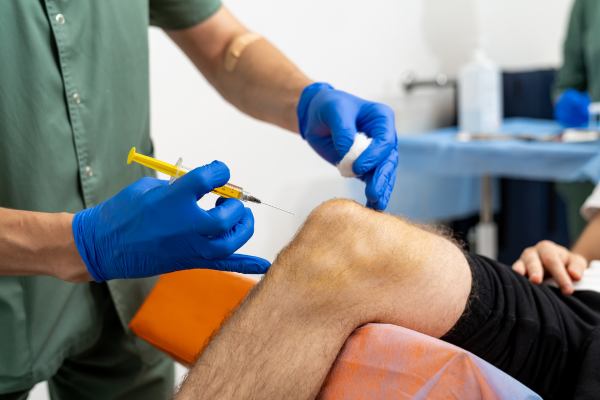
Delivers corticosteroid medication directly into an inflamed or arthritic joint to reduce swelling, pain, and stiffness. The injection provides a window of significant pain relief during which the joint can be rehabilitated and strengthened. Common joints treated include the knee, shoulder, hip, wrist, and ankle.
Joint injections are performed under ultrasound guidance to ensure the medication reaches the joint space accurately. Relief typically begins within 24-48 hours and can last weeks to months depending on the severity of the inflammation. Joint injections are often used alongside PRP therapy: the corticosteroid provides immediate relief while PRP works on longer-term tissue repair.
- Knee osteoarthritis
- Shoulder bursitis
- Hip joint pain
- Wrist/hand arthritis
- Ankle inflammation
- AC joint pain
Targets the small facet joints that connect vertebrae along the spine. When these joints become inflamed from arthritis, injury, or degenerative changes, they produce localized back or neck pain that worsens with extension (bending backward) or rotation. A corticosteroid and anesthetic are injected directly into or near the affected facet joint.
Facet injections serve a dual purpose: they reduce pain from the inflamed joint and confirm the facet joint as the source of symptoms. If the injection provides significant relief, it confirms the diagnosis and guides further treatment decisions. The procedure is performed under imaging guidance and takes about 15-20 minutes.
- Facet joint arthritis
- Mechanical back pain
- Cervical facet pain
- Post-injury spinal pain
- Degenerative spinal changes
A more targeted version of the epidural injection that delivers medication to a single, specific nerve root. This is used when imaging shows compression or inflammation at multiple spinal levels and the physician needs to identify which nerve root is generating the patient's symptoms.
If the selective nerve root block at a specific level eliminates or significantly reduces the patient's pain, it confirms that nerve root as the pain generator. This diagnostic precision guides treatment decisions and provides critical documentation for workers' compensation cases where the exact level of injury must be established in the medical record.
- Multi-level disc disease
- Radiculopathy (diagnostic)
- Post-surgical pain
- Complex sciatica
- Cervical nerve compression
Injection therapy and workers' compensation: All injection procedures at VMG are covered under Hawaii workers' compensation and OWCP when treating documented work injuries. We handle treatment authorization requests, prior approvals, and all insurer coordination. If an injection has been denied by your carrier, a denial can often be appealed with additional medical documentation.
Frequently Asked Questions
Do injections hurt?
Most patients describe the discomfort as mild and brief. A local anesthetic is applied before the procedure to numb the area. The injection itself takes seconds to minutes. Some soreness at the site for 24-48 hours is normal.
How quickly do they work?
Trigger point injections often provide immediate relief. Epidural steroid injections typically take 3-7 days to reach full effect. Joint injections usually provide relief within 24-48 hours. Duration of relief varies by condition.
Are injections covered by workers' comp?
Yes. All injection procedures are covered under Hawaii workers' compensation and OWCP for documented work injuries. We handle all treatment authorizations and insurer coordination.
How many injections will I need?
Depends on your condition and response. Some patients get lasting relief from a single injection. Others benefit from 2-3 spaced several weeks apart. Dr. Vally evaluates your response after each one.
What is the difference between a cortisone shot and PRP?
Cortisone reduces inflammation and provides temporary relief but does not repair tissue. PRP therapy uses growth factors from your own blood to stimulate actual tissue repair. They serve different purposes and are sometimes used together.
Related Resources
Sciatica Treatment in Hawaii
Epidural injections are the most common interventional treatment for sciatica caused by disc herniation.
TreatmentPRP Therapy
Regenerative injections that repair damaged tissue using growth factors from your own blood.
OverviewInterventional Pain Management
How targeted procedures treat the source of pain instead of masking symptoms with medication.
Ready to Discuss Injection Therapy?
Dr. Vally performs all injection procedures under ultrasound guidance at four Hawaii locations. We handle workers' comp authorization and paperwork.