As Hawaii moves toward standardized treatment guidelines, Vally Medical Group is already ahead of the curve with precision diagnostics and targeted interventional procedures. Available at all four locations: Hilo, Kona, Lihue, and Kihei.
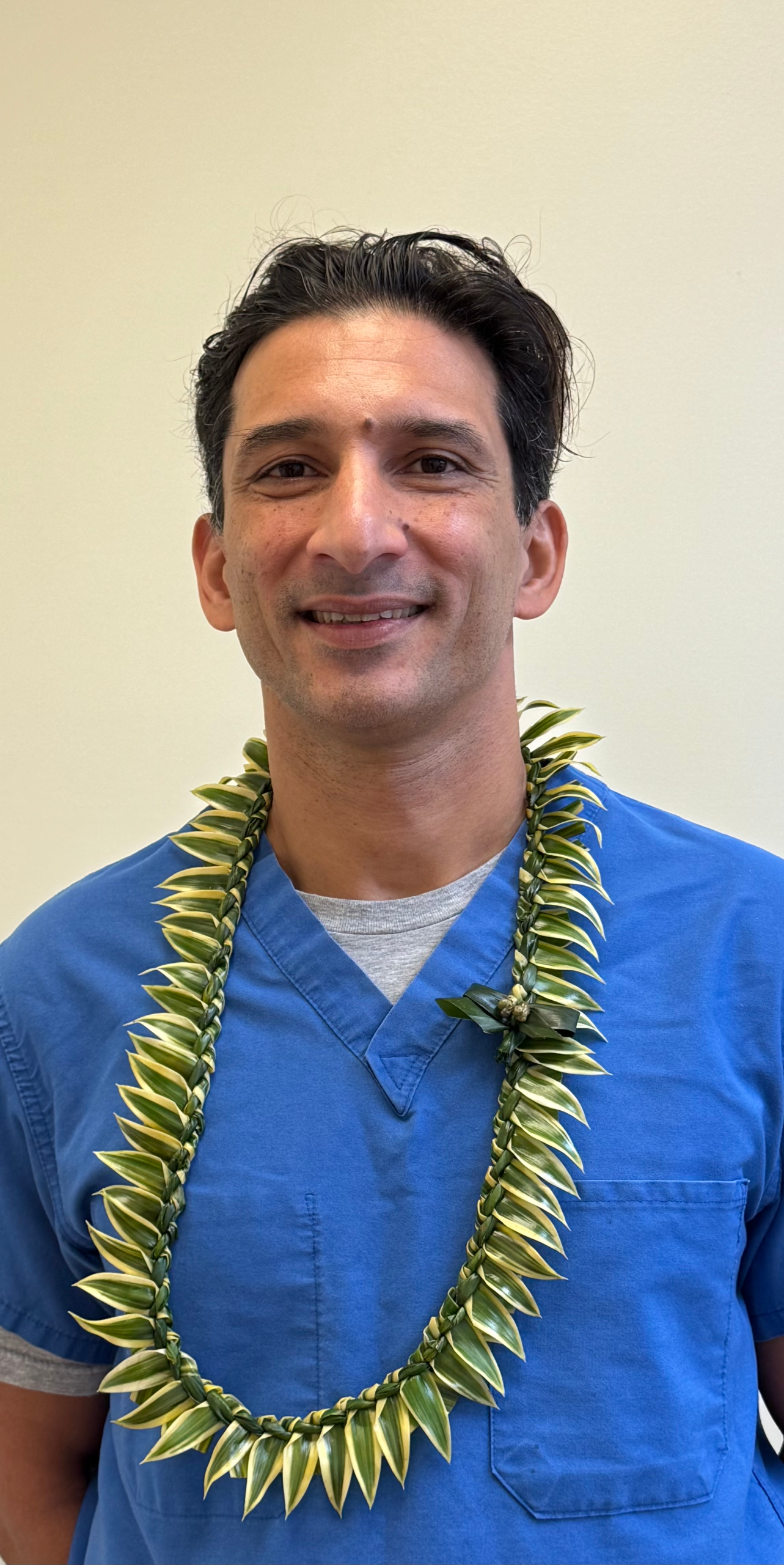

If you have chronic back pain, neck pain, or joint pain that has not responded to medication and rest, you have probably heard the term "interventional pain management" from your doctor, your insurance adjuster, or in your own research trying to figure out what comes next. The term sounds technical because it is. Interventional pain management refers to medical procedures that target the specific anatomical source of your pain rather than simply suppressing the pain signal with medication.
In Hawaii, the landscape of interventional pain treatment is changing. Senate Bill 2292, introduced in the 2026 legislative session, proposes that Hawaii adopt a Medical Treatment Utilization Schedule (MTUS) similar to California's model to standardize care and control rising workers' compensation insurance premiums. Whether or not the bill passes, the direction is clear: Hawaii's workers' compensation system is moving toward stricter evidence-based treatment standards.

At Vally Medical Group, we have already aligned our interventional pain protocols with evidence-based frameworks like the Official Disability Guidelines (ODG), the current standard governing workers' compensation treatment in Hawaii, and the peer-reviewed clinical research that underpins proposed MTUS guidelines. This means our treatment recommendations are built on documented outcomes, not volume-driven protocols designed to process as many patients as possible through a standardized system.
The difference matters. When you visit a high-volume occupational health clinic for chronic pain, you are entering a system optimized for efficiency and standardization. These clinics see dozens of workers' compensation patients every day across many different injury types and pain conditions. Their approach is necessarily protocol-driven: if you report back pain, you receive a certain sequence of treatments regardless of whether your MRI shows a herniated disc, facet joint arthritis, sacroiliac dysfunction, or muscular strain. The treatments may all fall under the umbrella of "interventional pain management," but precision matters when you are injecting medication into the human spine.
At Vally Medical Group, interventional pain management begins with diagnosis. Dr. Vally reviews your imaging studies, performs a detailed physical examination, and identifies the specific anatomical structure generating your pain. Only then does treatment begin. And the treatment itself integrates both conventional interventional techniques and regenerative medicine options that high-volume clinics typically do not offer.
Interventional pain management is a medical subspecialty focused on diagnosing and treating pain through minimally invasive procedures. Unlike pain medication, which works systemically throughout your entire body to suppress pain signals, interventional procedures deliver treatment directly to the pain source—whether that is an inflamed nerve, a degenerative joint, or damaged soft tissue.
The term "interventional" distinguishes these procedures from both medication management (taking pills) and surgical treatment (going under the knife for an operation). Interventional procedures occupy the middle ground: more targeted than medication, less invasive than surgery.
The specific procedures that fall under interventional pain management include:
Nerve blocks: Injections that interrupt pain signals traveling from the injury site to your brain. Nerve blocks can be diagnostic (to confirm which nerve is causing your pain) or therapeutic (to provide extended pain relief). Common nerve blocks include occipital nerve blocks for chronic headaches, intercostal nerve blocks for rib or chest wall pain, and selective nerve root blocks for radicular pain traveling down your arm or leg.
Epidural steroid injections: Delivery of anti-inflammatory medication into the epidural space surrounding your spinal cord. These injections target nerve root inflammation caused by herniated discs, spinal stenosis, or degenerative disc disease. Epidural injections can be performed in the cervical spine (neck), thoracic spine (mid-back), or lumbar spine (lower back) depending on where your symptoms originate.

Trigger point injections: Direct injection into hyperirritable muscle knots (trigger points) that cause localized pain and referred pain patterns. Trigger point injections are particularly effective for myofascial pain syndrome, chronic tension headaches originating from neck muscle trigger points, and pain that has not responded to massage or manual therapy.
Platelet-rich plasma (PRP) injections: A regenerative medicine technique that concentrates growth factors from your own blood and injects them into damaged tendons, ligaments, or joints. PRP goes beyond symptom suppression to stimulate actual tissue repair. This is particularly valuable for chronic tendon injuries, early-stage arthritis, and ligament damage that conventional injections only temporarily relieve.
The distinction between interventional pain management and general pain management is precision. A pain management doctor might prescribe anti-inflammatory medication for your back pain. An interventional pain specialist identifies whether your pain originates from a herniated L5-S1 disc compressing your sciatic nerve (which would respond to an epidural injection) or from degenerative facet joints at L4-L5 (which would respond to facet joint injections or medial branch blocks). The diagnosis determines the intervention.
The quality of an interventional pain procedure depends entirely on the accuracy of the diagnosis that precedes it. An injection into the wrong anatomical structure provides no benefit and wastes both your time and your workers' compensation insurance carrier's resources. High-volume clinics often perform interventional procedures based on patient-reported symptoms alone. Vally Medical Group requires diagnostic imaging to confirm the pain source before any injection-based treatment.
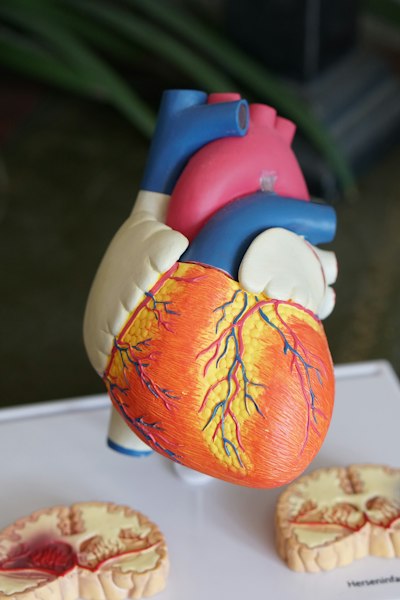
Your first visit to Vally Medical Group for chronic pain begins with a comprehensive evaluation, not a procedure. Dr. Vally reviews any existing imaging studies you have had done—MRI, X-ray, CT scan, or ultrasound—and orders additional imaging if needed to visualize the structures that may be generating your pain.
The physical examination that follows is not a cursory five-minute assessment. Dr. Vally performs specific orthopedic tests designed to identify which anatomical structures are involved in your pain pattern. For back pain, this might include straight leg raise testing to assess for nerve root tension, facet loading maneuvers to evaluate joint involvement, and palpation of the sacroiliac joints to rule out SI joint dysfunction. For shoulder pain, this includes rotator cuff strength testing, impingement signs, and range of motion assessment to distinguish between tendon pathology, labral tears, and arthritis.
The combination of imaging findings and physical examination findings produces a working diagnosis. This diagnosis is specific: not "chronic back pain" but "L5-S1 disc herniation with right S1 nerve root compression" or "bilateral L4-L5 facet arthropathy." The specificity matters because it determines which intervention has the highest probability of success.
Once the diagnosis is confirmed, Dr. Vally discusses treatment options with you. The recommendation is always individualized based on your imaging findings, your pain pattern, your functional goals, and your medical history. Available interventional options at Vally Medical Group include:
Nerve blocks for neuropathic pain conditions where a specific nerve is identified as the pain generator. Nerve blocks are particularly effective when pain follows a dermatomal pattern (traveling along the distribution of a single nerve) rather than diffuse widespread pain.
Epidural injections for radicular pain caused by nerve root compression from herniated discs or spinal stenosis. The steroid medication reduces inflammation around the compressed nerve root, and in many cases, this reduction in inflammation allows the herniated disc material to resorb naturally over time without surgical intervention.
Trigger point therapy for myofascial pain syndrome and chronic muscle dysfunction. Trigger point injections can break the pain-spasm cycle that perpetuates chronic muscular pain and restores normal muscle function.
Platelet-rich plasma (PRP) injections for conditions where tissue regeneration is the goal rather than just inflammation control. PRP is particularly valuable for chronic tendon injuries (rotator cuff tendinopathy, patellar tendinopathy, Achilles tendinopathy), early-stage osteoarthritis, and ligament injuries that have failed to heal with conservative treatment.
The regenerative medicine advantage: While high-volume clinics typically offer only corticosteroid injections for pain control, Vally Medical Group integrates regenerative options like PRP therapy into the treatment algorithm. This gives patients access to treatments that promote actual tissue healing rather than symptom suppression alone. For workers who need to return to physically demanding jobs, tissue healing produces more durable outcomes than temporary pain relief.
Interventional procedures at Vally Medical Group are performed in-office at all four locations: Hilo, Kona, Lihue, and Kihei. The procedures are done with careful attention to sterile technique and patient comfort. Most interventional injections take 15 to 30 minutes from preparation through completion.
Post-procedure monitoring ensures you tolerate the injection well before you leave the clinic. You receive specific instructions on activity modification, what to expect in terms of pain relief timeline, and when to follow up for outcome assessment. Follow-up visits allow Dr. Vally to evaluate whether the intervention achieved its intended effect and whether additional treatment is needed.
This entire process—from diagnostic evaluation through procedure to outcome tracking—is what separates specialized interventional pain care from high-volume assembly-line treatment. You are not a case number moving through a standardized protocol. You are a patient with a specific diagnosis receiving treatment selected for that diagnosis and monitored for documented outcomes.
Hawaii's workers' compensation system is at a crossroads. Rising insurance premiums have prompted legislative action to standardize medical treatment and ensure that injured workers receive care supported by clinical evidence rather than provider preference or financial incentive. Senate Bill 2292, introduced in the 2026 session, explicitly proposes that Hawaii adopt a Medical Treatment Utilization Schedule (MTUS) modeled on California's system.

Currently, Hawaii workers' compensation treatment is guided by the Official Disability Guidelines (ODG), a comprehensive evidence-based resource that provides treatment recommendations for occupational injuries and conditions. ODG reviews the peer-reviewed medical literature and issues guidance on which treatments have demonstrated effectiveness for specific diagnoses.
Whether Hawaii adopts a formal MTUS or continues with ODG, the trend is unmistakable: the state is moving toward stricter adherence to evidence-based treatment protocols. For patients, this means that interventional pain procedures will increasingly need to be supported by documented diagnostic findings and clinical rationale rather than performed based on symptom reports alone.
The shift toward evidence-based standards has both benefits and implications for injured workers and chronic pain patients:
Stronger documentation requirements: Insurance carriers will increasingly scrutinize requests for interventional procedures to ensure they are supported by imaging findings and clinical examination consistent with the proposed intervention. A request for an epidural injection, for example, must be accompanied by MRI evidence of disc herniation or spinal stenosis at the level being treated.
Reduced approval for speculative treatments: Procedures performed without clear diagnostic confirmation are less likely to receive authorization under evidence-based guidelines. This protects patients from unnecessary interventions but also means that thorough diagnostic workup becomes essential.
Better long-term outcomes: When interventional procedures are performed based on confirmed diagnoses rather than trial-and-error approaches, success rates improve. Patients experience more durable pain relief, return to function faster, and avoid the frustration of undergoing procedures that were never likely to help based on their actual pathology.
Vally Medical Group's diagnostic-first approach already operates within evidence-based frameworks. Every interventional procedure recommendation at VMG is supported by imaging findings, physical examination findings, and clinical rationale documented in your medical record. This documentation not only facilitates insurance authorization but also ensures you receive treatment with the highest probability of producing meaningful improvement in your pain and function.
When you are referred for interventional pain management through workers' compensation or your primary care doctor, you will likely be given a choice of providers. Understanding the difference between specialized interventional pain care and high-volume occupational health clinics can help you make an informed decision about where to seek treatment.
| Factor | High-Volume Occupational Health | Vally Medical Group |
|---|---|---|
| Diagnostic Approach | Symptom-based protocols | Imaging-confirmed diagnosis required |
| Provider Continuity | Rotating providers based on availability | Same physician (Dr. Vally) throughout care |
| Treatment Philosophy | Standardized protocols across all patients | Individualized based on specific pathology |
| Procedure Options | Corticosteroid injections primarily | Corticosteroids + regenerative options (PRP) |
| Appointment Duration | 15-20 minutes typical | 30-60 minutes for comprehensive evaluation |
| Pain Management Approach | Medication-focused when procedures insufficient | Opioid-free integrative approach |
| Evidence-Based Alignment | Reactive adjustment to new guidelines | Proactive ODG/MTUS protocol alignment |
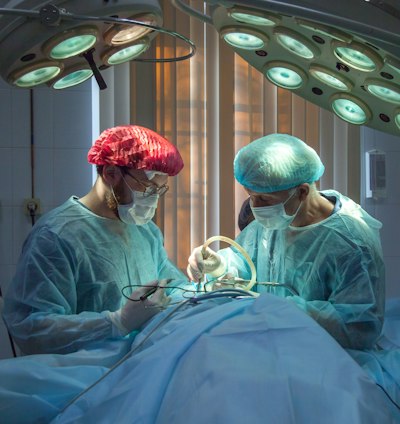
High-volume occupational health clinics operate on a business model that requires processing large numbers of patients efficiently. These clinics see dozens of workers' compensation patients daily across many different employers, industries, and injury types. To manage this volume, they necessarily rely on standardized treatment protocols.
The protocol approach works adequately for straightforward injuries: a simple ankle sprain or a minor laceration follows a predictable treatment pathway. But chronic pain conditions involving the spine, joints, or nerves require diagnostic precision that protocol-driven care cannot provide.
Consider what happens when a patient presents to a high-volume clinic with chronic low back pain. The clinic's protocol might specify: start with anti-inflammatory medication, order physical therapy, and if symptoms persist beyond six weeks, refer for an epidural injection. This sequence gets executed regardless of whether the patient's MRI shows a large disc herniation (which would likely respond to an epidural), facet joint arthritis (which would not respond to an epidural but might respond to facet injections), or normal findings with muscular pain only (which would not benefit from any type of spinal injection).
The protocol gets applied because it moves patients through the system efficiently and generates billable procedures, not because it is tailored to the individual patient's pathology. The result is predictable: some patients improve because their underlying condition happened to match the protocol. Many others experience no benefit, undergo additional interventions that also do not match their pathology, and eventually either give up on treatment or end up in surgery that might have been avoidable with proper initial diagnosis and targeted intervention.
Vally Medical Group operates differently. The starting point is always diagnosis, not protocol. This requires more time per patient—initial evaluations at VMG typically take 45 to 60 minutes compared to 15 to 20 minutes at high-volume clinics—but the diagnostic accuracy produces better outcomes.
Dr. Vally's dual board certification in internal medicine and occupational medicine provides a unique perspective. Internal medicine training emphasizes diagnostic thinking: starting with the patient's symptoms, generating a differential diagnosis of possible causes, and systematically narrowing that differential through examination and testing until the actual pathology is identified. Occupational medicine training emphasizes understanding injury mechanisms, workplace ergonomics, and the functional demands that patients must meet to return to their jobs.
The combination means that when Dr. Vally evaluates a construction worker with chronic shoulder pain, he is thinking simultaneously about the rotator cuff pathology visible on the MRI and the overhead lifting demands that the patient will face when returning to work. The treatment plan addresses both the tissue damage and the functional restoration needed for sustainable return to duty.
From a patient who switched to VMG: "As a retired medical professional myself, I've known and worked with many various physicians but only a handful in 30 years made such an impression on me. Dr. Vally was like going to see my brother in many ways... A truly decent human being, I still speak of you when I encounter people with similar problems as I had." — Jeffrey G.
Interventional pain procedures are not the first line of treatment for most pain conditions. Conservative treatment—rest, activity modification, anti-inflammatory medication, and rehabilitation—should be attempted first for acute injuries and many chronic conditions. Interventional procedures become appropriate when conservative treatment has failed to produce adequate improvement or when diagnostic findings indicate a specific structural problem that targeted intervention can address.
You may benefit from interventional pain management if you meet one or more of the following criteria:
Failed conservative treatment: You have completed at least 6 to 8 weeks of conservative management including activity modification, anti-inflammatory medication, and rehabilitation exercises, but your pain remains significant enough to interfere with work, sleep, or basic daily activities.
Confirmed structural pathology: You have imaging findings (MRI, X-ray, or CT) that demonstrate a specific anatomical problem correlating with your symptoms—such as a herniated disc compressing a nerve root, degenerative facet joints at the level of your pain, or chronic tendon degeneration.
Desire to avoid surgery: Your condition might ultimately require surgical intervention if conservative and interventional treatments fail, but you want to exhaust non-surgical options first. Many patients who undergo appropriate interventional treatment successfully avoid surgery.
Need to return to physical work: Your job requires physical capabilities that you cannot currently perform due to pain, and you need treatment that can facilitate return to full duty rather than prolonged light duty or permanent restrictions.
The following conditions frequently respond well to interventional pain management when properly diagnosed and treated:
Herniated disc with radiculopathy: When a disc in your neck or back herniates and compresses a nerve root, it causes pain that radiates down your arm or leg following the nerve distribution. Epidural steroid injections can reduce nerve root inflammation and allow natural healing to occur.
Spinal stenosis: Narrowing of the spinal canal that compresses nerve roots, causing leg pain with walking (neurogenic claudication). Epidural injections can provide relief, though severe stenosis may eventually require surgical decompression.
Facet joint arthritis: Degeneration of the small joints in your spine that can cause localized back or neck pain. Facet joint injections or medial branch blocks can provide diagnostic confirmation and therapeutic relief.
Sacroiliac joint dysfunction: Pain originating from the SI joint where your pelvis connects to your spine. SI joint injections can both diagnose and treat this often-overlooked source of low back pain.
Chronic tendon injuries: Rotator cuff tendinopathy, tennis elbow, jumper's knee, and Achilles tendinopathy that have not responded to rest and rehabilitation. PRP injections can stimulate tendon healing and restore function without surgery.
Myofascial pain syndrome: Chronic muscular pain with trigger points that cause localized and referred pain. Trigger point injections combined with rehabilitation can break the pain cycle.
Vally Medical Group provides interventional pain management services at all four clinic locations across the Hawaiian Islands. This statewide accessibility ensures that patients on the Big Island, Maui, and Kauai can receive specialized interventional care without traveling to Oahu or the mainland.

Hilo Clinic: Serving East Hawaii including Hilo, Puna, Hamakua Coast, and Hawaii Volcanoes National Park area. Convenient for federal employees at HVNP and workers throughout East Hawaii.
Kona Clinic: Serving West Hawaii including Kailua-Kona, North Kona, South Kohala, and the resort corridor. Central location for hospitality workers, construction trades, and agriculture employees on the leeward side.
Kihei Clinic: Serving South Maui, Central Maui, and Upcountry. Accessible for resort workers from Wailea and Kihei properties, retail employees, and agriculture workers across Maui.
Lihue Clinic: Centrally located to serve all of Kauai including Lihue, Kapaa, Poipu, Princeville, and the North Shore. Our only clinic offering mild hyperbaric oxygen therapy (mHBOT) to complement interventional treatments.
All locations accept workers' compensation insurance, most major health insurance plans including HMSA, and provide direct care options for self-pay patients. You have the legal right to choose your treating physician under Hawaii workers' compensation law—you are not required to see the provider your employer recommends.
If you're dealing with chronic pain that hasn't responded to conservative treatment, or if you want interventional care that's based on precise diagnosis rather than standardized protocols, Vally Medical Group is here to help. Available at all four Hawaii locations.
Schedule Your Consultation →Hilo • Kona • Lihue • Kihei • (808) 935-6353
Workers' Compensation Treatment • PRP Therapy & Regenerative Medicine • Opioid-Free Pain Management Philosophy • Injection Therapy Options • All Hawaii Clinic Locations
Disclaimer: This article is provided for informational and educational purposes only and does not constitute medical advice. Treatment outcomes vary by individual and condition. Senate Bill 2292 references reflect legislative proposals as of March 2026 and may be subject to amendment or non-passage. Consult with Dr. Vally or your physician to determine whether interventional pain management is appropriate for your specific situation.