How specialized medical-legal documentation strengthens injury claims across the Hawaiian Islands

If you have been hurt in a slip and fall on a wet hotel lobby floor, suffered a crush injury from heavy machinery at a construction site, or developed chronic pain from years of repetitive motion at work, the single most important decision you will make—aside from choosing an attorney—is choosing the right doctor.
Not every physician is equipped to handle personal injury cases in Hawaii. The distinction between a generalist and a personal injury medical specialist can mean the difference between a well-documented claim that settles fairly and one that stalls for lack of evidence.
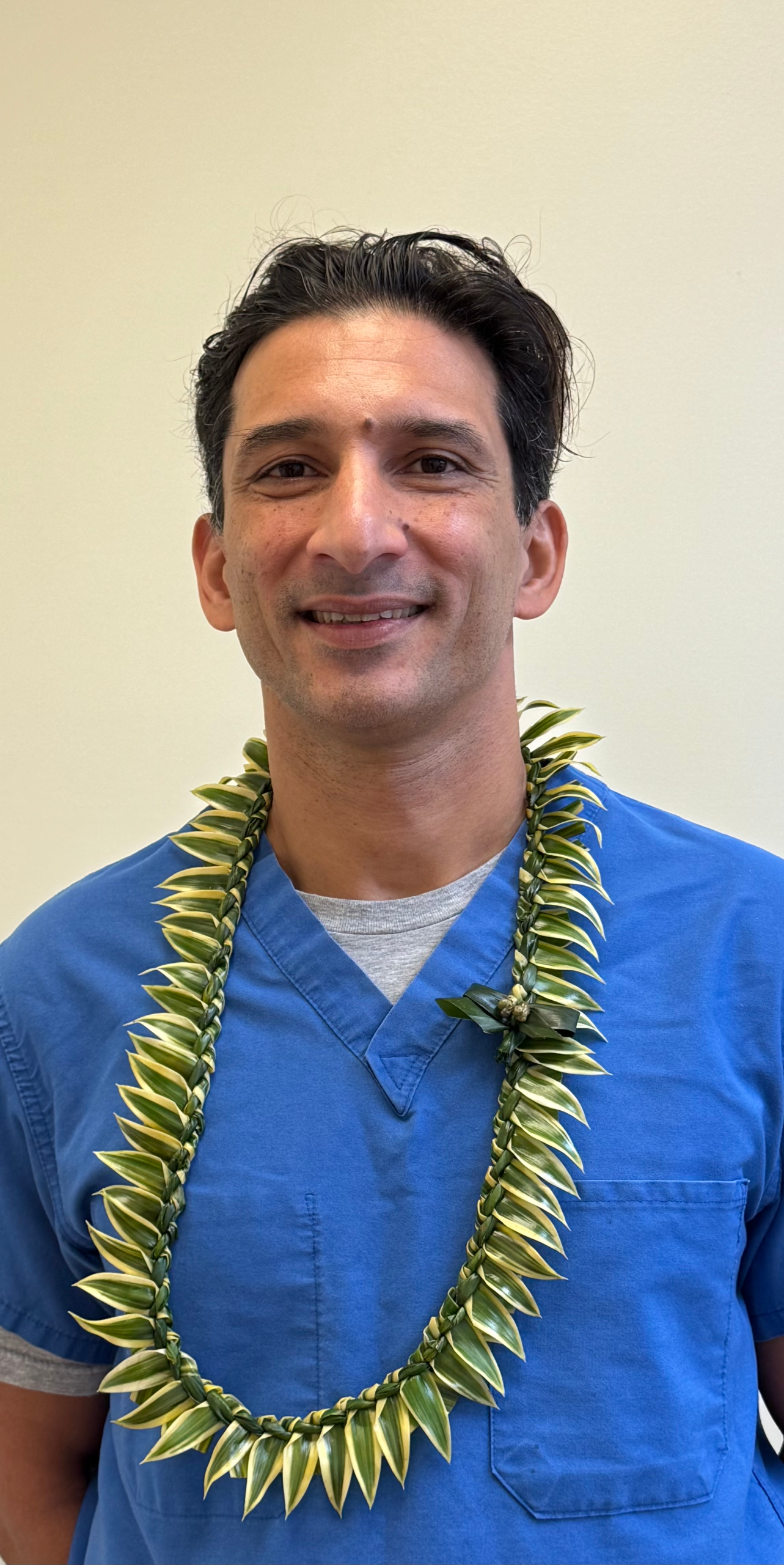
The hard truth: I have spent over a decade treating injured workers and pain patients across these islands, and one pattern comes up again and again—a patient walks into my clinic months after an injury with a folder full of generic medical notes that say almost nothing useful for their legal case.
Their primary care doctor treated the symptoms, prescribed medication, and moved on. Nobody documented the mechanism of injury. Nobody established causation. Nobody recorded functional limitations in language an insurance adjuster or jury would understand.
By the time these patients find our office, they have lost valuable weeks or months of the medical record timeline that attorneys rely on to build a case.
This article is written for two audiences: people who have been injured in Hawaii and need to understand why choosing the right doctor matters, and attorneys looking for a reliable medical partner on the Neighbor Islands. Throughout this piece, I will draw on the standards of medical-legal documentation that underpin successful personal injury claims in our state, and explain how my practice—Vally Medical Group—approaches these cases differently from the large, impersonal clinic networks that dominate Hawaii's occupational health landscape.
Hawaii's personal injury landscape is governed by a modified comparative negligence framework. Under Hawaii Revised Statutes §663-31, courts apportion liability based on evidence, and the strength of that evidence often hinges on medical documentation. A general practitioner, no matter how competent, rarely has the training or the time to produce the kind of records that stand up to scrutiny in settlement negotiations or at trial.

Consider what a typical primary care visit looks like for someone with a shoulder injury. The physician might note "patient reports right shoulder pain," prescribe an anti-inflammatory, and schedule a follow-up in two weeks. That note tells an attorney almost nothing. It does not specify whether the pain is consistent with an acute rotator cuff tear versus a chronic degenerative condition. It does not describe the range-of-motion deficit in measurable degrees. It does not connect the injury to a specific incident on a specific date.
A personal injury doctor, by contrast, is trained to think like both a clinician and a forensic documentarian. Every visit note in my practice is written with the understanding that it may one day be read by an insurance adjuster, a defense attorney, or a judge. We record the mechanism of injury in the patient's own words. We perform standardized orthopedic and neurological examinations and document the results using accepted medical-legal terminology. We order diagnostic imaging—MRI, X-ray, nerve conduction studies—when clinically indicated, and we interpret the results in the context of the injury event.
| Documentation Element | General Practitioner | Personal Injury Specialist |
|---|---|---|
| Mechanism of Injury | Often omitted or vague | Recorded in patient’s own words with incident details |
| Causation Opinion | Rarely addressed | Explicit medical opinion linking injury to incident |
| Functional Limitations | “Patient has difficulty lifting” | Objective metrics: ROM in degrees, weight limits, pain scales |
| Pre-existing Conditions | May not differentiate | Clearly distinguishes aggravation vs. new injury |
| Diagnostic Imaging | Basic X-ray referral | MRI, ultrasound, NCS coordinated and interpreted in context |
| Prognosis & Future Needs | Seldom included | Written opinion on MMI, future treatment, and costs |
| Attorney Communication | Through office staff, often delayed | Direct physician access for case discussion |
Many of the occupational health clinics operating in Hawaii are built on a high-throughput model. They see dozens of patients a day, often rotating through multiple providers, and their documentation reflects those constraints. For routine employment physicals or drug screens, this model works fine. But for personal injury cases—where the nuances of a patient's history, the timeline of symptom development, and the specificity of diagnostic findings are critical—a conveyor-belt approach does not work.
At Vally Medical Group, I maintain direct involvement in every personal injury case. I review every set of imaging results personally. I write my own reports. When an attorney calls to discuss a patient's condition or to prepare for a deposition, they reach me—not a call center, not a nurse reading from a script.
When your patient's settlement depends on a clearly articulated medical opinion, you need a doctor who knows the case inside and out. Attorneys who have worked with our practice consistently say that the responsiveness and depth of our medical records set us apart from the larger networks.
In Hawaii, the success or failure of a personal injury claim frequently comes down to medical evidence. The Hawaii courts have consistently held that medical records are among the most persuasive forms of evidence in determining both liability and damages. Under Hawaii's two-year statute of limitations (HRS §657-7), injured parties have a limited window in which to pursue claims. Every month that passes without proper medical documentation is a month of lost evidence.
Effective documentation for a personal injury case must accomplish several things simultaneously.
First, it must establish a clear timeline. The initial visit note should record the date of the incident, the mechanism of injury, and the patient's presenting complaints in precise language. Subsequent notes must track the trajectory of recovery—or, when applicable, the failure to improve—so that a reader can follow the patient's journey from the day of the injury through to maximum medical improvement (MMI), a concept attorneys and insurers rely on when calculating the value of a claim.
Second, it must address causation. This is where many physicians fall short. It is not enough to document that a patient has a herniated disc. The records must also explain, in the physician's medical opinion, whether the herniation was caused by the incident or whether it pre-existed the event. If a pre-existing degenerative condition was aggravated or accelerated by the incident, the physician must say so explicitly. Insurance companies routinely use pre-existing conditions as grounds to deny or undervalue claims, and medical records that fail to address this issue leave attorneys with an uphill battle.
Third, the records must quantify functional impairment. General statements like "the patient has difficulty lifting" are inadequate. The documentation should specify weight limits, range of motion in measurable degrees, the frequency and severity of pain episodes, and the impact on the patient's ability to work and perform daily activities. In my practice, I use standardized functional capacity metrics and pain assessment scales to provide objective, reproducible data that holds up under cross-examination.
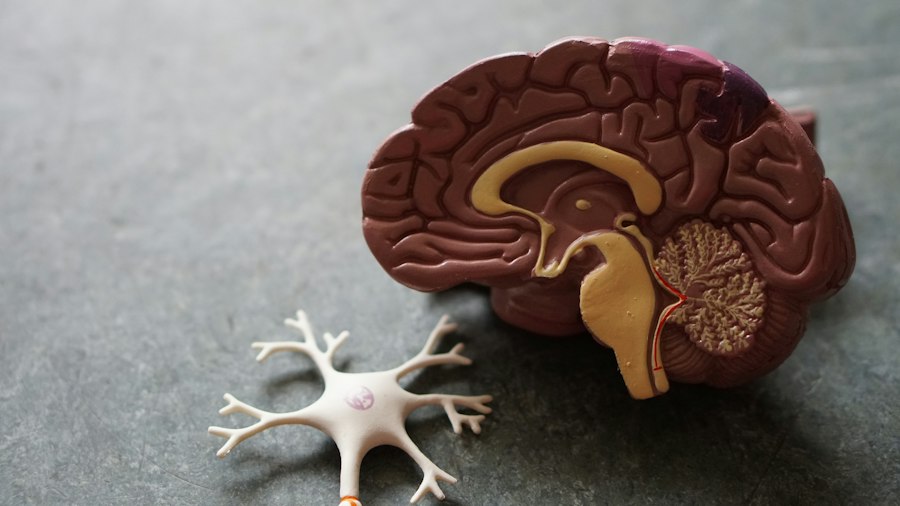
Advanced diagnostic imaging provides objective evidence that strengthens personal injury claims.
Diagnostic imaging—particularly MRI and advanced musculoskeletal ultrasound—plays a central role in personal injury documentation. A well-timed MRI can demonstrate the presence and extent of soft tissue damage invisible on plain X-rays. It can differentiate between acute pathology and chronic degeneration, providing objective evidence that insurance adjusters find difficult to dispute.
At Vally Medical Group, we coordinate imaging through our relationships with diagnostic facilities on the Big Island, Kauai, and Maui, and we integrate the results into our clinical assessments to produce a complete, evidence-based picture of each patient's condition. This integrated approach is particularly important for patients dealing with disc herniations, ligament tears, nerve impingement, and chronic pain syndromes where objective imaging findings must align with subjective complaints to establish credibility.
Personal injury is a broad legal category, and the injuries that fall under this umbrella extend far beyond vehicle collisions. At Vally Medical Group, we treat a wide range of injury types arising from incidents across Hawaii's diverse economy—from hospitality and agriculture to construction and government service.

Hawaii's tourism-driven economy means that hotels, resorts, restaurants, and shopping centers see enormous foot traffic year-round. Wet floors, uneven walkways, poorly maintained staircases, and inadequate lighting are common hazards. Slip and fall incidents frequently result in fractures (particularly of the wrist, hip, and ankle), herniated discs from impact with hard surfaces, traumatic brain injuries from striking the head, and chronic soft tissue injuries that may not manifest fully until days or weeks after the event.
Under Hawaii's premises liability framework, property owners have a duty to maintain safe conditions. Proving a slip and fall claim requires clear medical documentation linking the injury to the incident and the property condition. We see these cases frequently and understand the specific documentation that premises liability attorneys need to establish their claims.
Construction, agriculture, and port operations remain major employment sectors across the Hawaiian Islands. Injuries from heavy equipment, falling objects, caught-between incidents, and structural collapses can be catastrophic—resulting in crush injuries, spinal cord damage, traumatic amputations, and severe burns. These injuries often require long-term pain management and rehabilitation, and the medical documentation must reflect not only the immediate trauma but also the projected course of recovery and the likelihood of permanent impairment.
In our Kona and Hilo clinics, we treat many patients from the Big Island's agricultural and construction sectors who have suffered these kinds of serious injuries. We coordinate care with orthopedic surgeons, neurologists, and rehabilitation specialists to ensure comprehensive treatment and documentation.
Not every personal injury is the result of a single dramatic event. Many of Hawaii's workers develop debilitating conditions over months or years of repetitive activity—carpal tunnel syndrome from data entry or food preparation, rotator cuff tendinopathy from overhead lifting in hotel housekeeping, and lumbar disc degeneration from prolonged standing or bending in retail and food service.
These conditions present unique documentation challenges because they lack a single incident date. The physician must carefully establish the temporal relationship between the occupational exposure and the onset of symptoms, relying on detailed occupational histories and, where applicable, ergonomic assessments. Our experience in occupational medicine gives us a particular advantage in these cases.
| Injury Category | Common Conditions | Our Treatment Approach |
|---|---|---|
| Slip & Fall | Fractures, herniated discs, TBI, soft tissue damage | Imaging coordination, injection therapy, PRP, nerve blocks |
| Industrial / Machinery | Crush injuries, spinal cord damage, burns, amputations | Multi-specialist coordination, long-term pain management, HBOT |
| Repetitive Strain | Carpal tunnel, rotator cuff tendinopathy, lumbar degeneration | Occupational history analysis, injection therapy, PRP |
| Chronic / Catastrophic Pain | CRPS, nerve damage, failed surgical outcomes | Regenerative medicine, nerve blocks, hyperbaric therapy, acupuncture |
For patients who develop chronic pain following a personal injury—whether from nerve damage, failed surgical intervention, complex regional pain syndrome, or persistent musculoskeletal dysfunction—the need for specialized medical management is critical. Our pain management approach is built around opiate-free, regenerative therapies that address the underlying pathology rather than masking symptoms.
Treatments such as platelet-rich plasma (PRP) injections, targeted nerve blocks, therapeutic injection therapy, and soft hyperbaric oxygen therapy provide measurable improvements in function and pain levels—improvements that we document in the medical record and that attorneys can use to demonstrate the need for ongoing care in their demand packages.
Why opiate-free matters for your legal case: Defense attorneys frequently attempt to undermine personal injury plaintiffs by suggesting that their ongoing pain complaints are driven by medication dependence rather than legitimate injury. By treating patients through regenerative and interventional methods rather than narcotics, we eliminate that line of attack entirely.
One of the most significant barriers to quality personal injury care in Hawaii is geography. The vast majority of medical specialists, including pain management physicians and occupational medicine practitioners, are concentrated on Oahu. For residents of the Big Island, Kauai, and Maui, this creates a frustrating situation: they either travel inter-island for specialist appointments—incurring hundreds of dollars in airfare, ground transportation, and lost wages—or they settle for general practitioners who may lack the expertise to produce the medical documentation their cases require.
Vally Medical Group was founded, in part, to address this disparity. We operate four clinics across Hawaii's Neighbor Islands, each providing the same level of specialized personal injury and pain management care.

Serving injured patients across Hawaii's Neighbor Islands — no flight to Oahu required.
| Location | Address | Communities Served | Learn More |
|---|---|---|---|
| Kona, Big Island | Kealakekua | Kailua-Kona, Captain Cook, Kaloko, Waikoloa, resort & farm workers | Kona Clinic → |
| Hilo, Big Island | 82 Puuhonu Place | Hilo, Hamakua Coast, Puna, port & university workers | Hilo Clinic → |
| Lihue, Kauai | 2978 Haleko Rd, Ste B | All of Kauai — resort, county, agricultural & federal employees | Lihue Clinic → |
| Kihei, Maui | 310 Ohukai Rd, Ste 309 | South Maui, Wailea, construction, tourism & agricultural workers | Maui Clinic → |
This multi-island presence is not merely a convenience—it is a strategic advantage for both patients and their attorneys. Continuity of care with a single provider across multiple visits produces stronger, more cohesive medical records than a patchwork of referrals to different physicians on different islands. When an insurance company or defense attorney reviews the medical record and sees consistent, detailed documentation from the same board-certified specialist over the course of treatment, the credibility of the patient's case is significantly enhanced.

If you practice personal injury law on the Big Island, Kauai, or Maui, you know the challenge of finding reliable medical partners for your clients on the Neighbor Islands. You need a doctor who will see your client promptly, document the injury thoroughly, and be available when you need clarification or supplemental reports. You also need someone who can speak credibly to the medical issues in your case—whether in a demand letter, a deposition, or at trial.
At Vally Medical Group, I work directly with personal injury attorneys to ensure that the medical side of their cases is handled with the same rigor and attention to detail they bring to the legal side. Our approach is built around several commitments:
Timely access. We understand that delays in medical treatment undermine personal injury claims. When an attorney refers a new patient, we prioritize scheduling to minimize gaps in the treatment timeline.
Comprehensive reporting. Our visit notes and medical reports are written with litigation in mind. We address causation, document functional impairment using objective metrics, and provide clear opinions on prognosis and future medical needs.
Direct physician communication. Attorneys who work with us have a direct line to me. I do not hand off case discussions to administrative staff. If you have a question about your client's diagnosis, the significance of an imaging finding, or the expected course of recovery, you get a physician's answer.
Advanced treatment modalities. Our practice goes beyond basic physical examination and medication management. We offer PRP therapy, targeted injection therapy, nerve blocks, therapeutic massage, acupuncture, infrared sauna, cold plunge therapy, and soft hyperbaric oxygen therapy. These treatments provide documented, measurable improvement in our patients' conditions, giving attorneys concrete evidence of treatment efficacy and justification for associated medical costs.
I recognize that many personal injury practices refer clients to physical therapy as a default, and physical therapy is often appropriate. However, for patients with complex pain conditions, nerve involvement, or injuries that have not responded to conservative management, the specialized interventional and regenerative services we offer can fill a critical gap in the treatment plan—and in the medical record.
If you are a Hawaii personal injury attorney and would like to discuss how we might work together, I welcome the conversation. Contact our office directly to arrange a consultation, or visit vallymdhawaii.com to learn more about our services and locations.
Personal injury patients in Hawaii should be aware that at some point in their case, the opposing insurance company may request an independent medical evaluation (IME). These evaluations are conducted by physicians selected and paid by the insurance company, and despite the word "independent" in the name, the examining doctor's primary obligation is to the party that hired them.
According to legal experts at FindLaw, the purpose of the IME is typically to generate a medical opinion that supports the insurer's position—often minimizing the severity of injuries or questioning whether the incident actually caused them.
This is precisely why your own medical documentation must be airtight before an IME takes place. When your treating physician has produced detailed, well-organized records that clearly establish the injury mechanism, document objective findings through imaging and clinical examination, and articulate a medically sound opinion on causation and prognosis, it becomes far more difficult for an IME doctor to credibly contradict those conclusions.
How strong records protect you: The strength of your treating physician's records essentially sets the baseline that the IME must respond to. Strong baseline documentation shifts the burden onto the defense to explain why their hired examiner reached a different conclusion. At Vally Medical Group, we build medical records designed to withstand the scrutiny of an adversarial review process.
Your choice of physician after a personal injury is not just a medical decision—it is a legal one. The doctor you see will create the medical record that forms the backbone of your claim. If that record is incomplete, imprecise, or fails to address the critical issues of causation and functional impairment, your case will be weakened regardless of how clear-cut the liability may seem.
As a board-certified specialist in internal medicine and occupational medicine with over a decade of experience treating injured patients across Hawaii, I founded Vally Medical Group to fill a gap in our state's healthcare landscape. Residents of the Big Island, Kauai, and Maui deserve the same level of specialized personal injury care available in Honolulu, and they deserve a physician who treats them as individuals rather than as numbers in a high-volume system.
If you have been injured in an incident in Hawaii—whether a fall at a commercial property, a construction site accident, a repetitive strain condition from your job, or any other injury caused by someone else's negligence—I encourage you to seek care from a physician who understands the medical-legal requirements of your case. Early, thorough documentation is the most important step you can take to protect your rights and ensure that your injury is properly valued.
Four Neighbor Island locations • Board-certified specialist • Litigation-ready documentation
Visit VallymDHawaii.com →Disclaimer: This article is provided for informational and educational purposes only and does not constitute legal advice. Dr. Vally is a licensed physician, not an attorney. Individuals with personal injury claims should consult a qualified Hawaii personal injury attorney for legal guidance specific to their circumstances.