
WorkStar vs. Private Specialists: A Workers’ Comp Guide for Hawaii
You’re in pain. Your back went out lifting that box at work, or you tweaked your shoulder on the job site, or you’re dealing with chronic pain from repetitive strain. Your employer hands you a list of “approved doctors” with names like WorkStar, Concentra, and other corporate occupational health systems. You assume you have to pick from that list.
You’re wrong—and that assumption could cost you months of proper recovery.
Here’s what most injured workers in Hawaii don’t know: being on an approved provider list doesn’t mean you have to go there. Under Hawaii workers’ compensation law, you have the right to choose your own treating physician. This isn’t a suggestion or a loophole—it’s your legal right, and it’s one of the most important decisions you’ll make for your recovery.
The difference between receiving care at a large occupational health system versus a private specialist practice can significantly impact your recovery timeline, the quality of your treatment, your relationship with your doctor, and ultimately whether you achieve full recovery or settle for “good enough.” At Vally Medical Group, we’ve treated thousands of workers’ compensation patients across our Kona, Hilo, Lihue, and Kihei locations. Many come to us after frustrating experiences at larger systems, and they wish they’d known they had a choice from the beginning.
Understanding Large Occupational Health Systems
Large occupational health networks like WorkStar, Concentra, and similar organizations serve an important purpose in Hawaii’s workers’ compensation ecosystem. These systems have the infrastructure, staffing, and processes to handle thousands of injury claims annually across multiple locations. For employers and insurance carriers, these organizations offer predictability, standardized protocols, and efficient claim processing.
However, the very features that make these systems efficient for employers and insurance companies can create challenges for you as an individual patient. When a medical organization is designed to process thousands of cases each year, certain trade-offs become inevitable. The focus often shifts from individualized patient care to throughput and efficiency. Appointments become shorter and more structured. Treatment follows established protocols rather than being customized to your specific situation. And perhaps most significantly, you’re less likely to see the same provider at each visit.
The “Provider Shuffle”: Who’s Actually Treating You?
This continuity issue is the most common complaint we hear from patients who transfer to Vally Medical Group from larger systems. In a high-volume environment, you might see a physician assistant one week, a nurse practitioner the next, and a rotating locum tenens physician the week after that. While these healthcare providers are certainly qualified professionals, the lack of continuity means no single doctor develops an in-depth understanding of your case.
You may have looked up respected physicians affiliated with these systems, such as Dr. Carl Hodel or Dr. Kevin Lum. These are excellent, highly experienced doctors. But the reality in massive systems managing thousands of annual claims is that you may not consistently see the lead physician whose name attracted you to the practice. Instead, you’re often routed to whichever provider has availability that day to keep the patient queue moving.
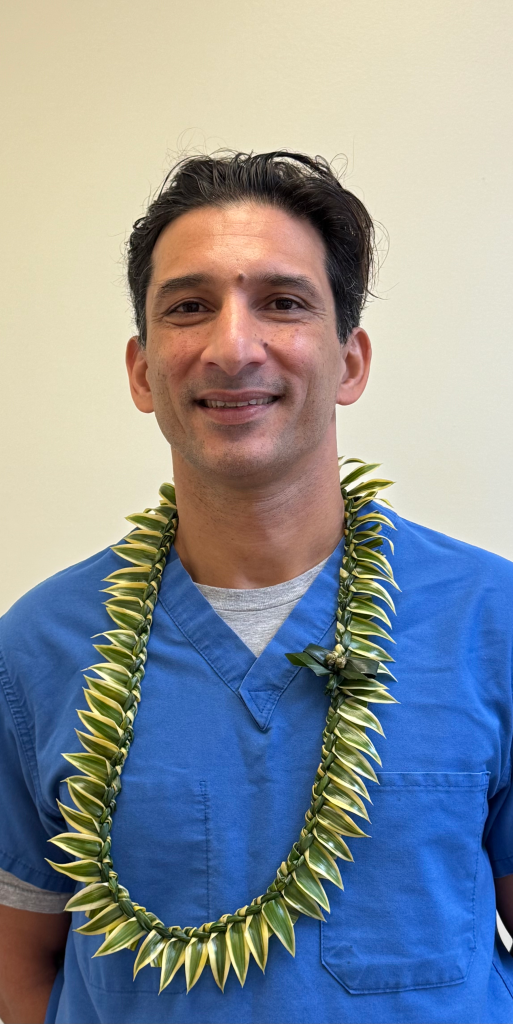
At Vally Medical Group, Dr. Zain Vally takes a different approach. When you choose Dr. Vally as your treating physician for workers’ compensation, you see Dr. Vally at your appointments. This isn’t a bait-and-switch where you meet the doctor once and then see rotating staff for ongoing care. Dr. Vally personally manages your case from initial evaluation through recovery.
This continuity is clinical, not just convenient. When the same doctor examines you at every visit, we don’t just read your chart—we know your story. We notice the subtle improvements in your range of motion that a rotating provider reviewing your file for the first time might miss. We understand the specific physical demands of your job because we’ve discussed them in detail with you. We can make more informed treatment decisions because we’ve personally observed your response to previous interventions.
With over fifteen years of experience in occupational medicine and workers’ compensation cases, Dr. Vally brings specialized expertise to every patient interaction. This depth of experience matters when dealing with complex injury cases, return-to-work planning, and navigating the workers’ compensation system.
Protocol-Driven Care vs. Personalized Treatment

Another fundamental difference between large occupational health systems and private specialist practices lies in how treatment decisions are made. Corporate systems typically operate as standardized accident recovery centers, using set protocols designed to handle the most common injury types efficiently. The pathway looks something like this:
Step 1: Initial evaluation and diagnosis
Step 2: Medication for pain and inflammation
Step 3: Generic physical therapy referral
Step 4: Periodic follow-ups
Step 5: Close the claim at maximum medical improvement
For a simple ankle sprain or minor laceration, this protocol-driven approach can work reasonably well. The treatment pathway for straightforward injuries is well-established, and following a standard protocol gets most patients back to work without complications.
But consider this real-world scenario: You’re a warehouse worker with shoulder pain. The protocol says “rest, ice, NSAIDs, physical therapy.” But what if your pain is actually from a rotator cuff tear that won’t heal without more advanced intervention? A protocol-driven system might not identify this for weeks—or until you’ve done permanent damage trying to work through it because you were told it’s “just inflammation.”
Private specialist practices like Vally Medical Group have the flexibility to deviate from standard protocols when a patient’s situation warrants it. We can:
- Spend more time on diagnostic evaluation to identify the actual source of pain
- Incorporate advanced treatments like PRP therapy or targeted injections earlier in the treatment plan
- Adjust our approach based on your specific work demands and recovery goals
- Order imaging or specialized testing when clinical findings suggest the injury is more complex than it initially appeared
- Advocate more aggressively with insurance carriers for treatments that fall outside standard protocols but are medically necessary for your case
This flexibility is crucial because workers’ compensation injuries are often more complex than they initially appear, and one-size-fits-all treatment approaches frequently fail to address underlying problems.
The Opioid-Free Difference
Medication management provides a specific example of how protocol-driven care can go wrong. Large occupational health clinics, dealing with high patient volumes and tight appointment schedules, often rely heavily on medication to manage pain and keep patients moving through the system. This can lead to situations where patients are maintained on pain medications—sometimes including opioids—for extended periods because prescribing pills is faster and easier than implementing comprehensive pain management strategies.
According to the CDC’s 2022 Clinical Practice Guideline for Prescribing Opioids for Pain, nonopioid therapies should be preferred for subacute and chronic pain, and clinicians should maximize use of nonpharmacologic treatments. Yet many high-volume systems continue to default to medication management because it fits their operational model.
At Vally Medical Group, our philosophy centers on opioid-free pain management using regenerative medicine techniques. Because we’re a private specialist practice without corporate quotas or pressure to maximize patient throughput, we have the time to implement treatments that address the root cause of pain rather than simply suppressing symptoms:
Platelet-Rich Plasma (PRP) Therapy: Using concentrated growth factors from your own blood to promote tissue healing in injured joints, tendons, and ligaments
Trigger Point Injections: Targeting localized muscle knots that refer pain to other areas
Comprehensive Rehabilitation: Customized exercise programs that strengthen supporting structures and correct movement dysfunctions
Manual Therapy Techniques: Hands-on treatments to improve joint mobility and tissue flexibility
These approaches take more time per patient than writing a prescription, but they lead to better long-term outcomes with fewer side effects and lower risk of dependence or addiction.
The Federal Workers’ Compensation (OWCP) Difference
If your workplace injury is covered under the federal Office of Workers’ Compensation Programs rather than Hawaii state workers’ compensation, the gap between large occupational health systems and private specialists widens dramatically.
OWCP claims—which cover U.S. Postal Service workers, TSA employees, federal agency staff, and other federal workers—have substantially different requirements than state workers’ compensation cases. These claims demand detailed medical narratives that specifically link the physiology of your injury to your particular work duties and explain the medical necessity of each treatment.
For example, an OWCP narrative can’t simply state “patient has low back pain, recommend physical therapy.” Instead, it must explain something like: “Employee’s job as a mail carrier requires repetitive lifting of 40-pound mail trays from truck bed height (approximately 30 inches) while simultaneously twisting 45 degrees to the right in a confined space. This biomechanical stress pattern, repeated 50-75 times per shift over eight years, has caused progressive degenerative changes to the L4-L5 disc with resultant herniation and radicular symptoms. Physical therapy is medically necessary to strengthen core stabilizers and reduce mechanical stress on the affected disc.”
This level of detailed medical documentation requires:
- Extensive understanding of OWCP’s specific requirements
- Time to thoroughly document the mechanism of injury and work-relatedness
- Expertise in writing comprehensive medical narratives that federal claims examiners will accept
- Ongoing communication with the Department of Labor claims examiners
Large occupational health systems are primarily designed and optimized for state workers’ compensation claims, which represent the vast majority of their caseload. The documentation requirements for OWCP cases are fundamentally different, and many high-volume clinics struggle with these federal claims. The result is frequently:
- Delayed authorizations while claims examiners request additional documentation
- Denied claims due to “insufficient medical rationale” in submitted reports
- Frustrated patients stuck in limbo between their medical provider and the federal claims process
- Lost wage replacement benefits during documentation delays
Dr. Zain Vally is an OWCP-certified specialist who has successfully managed hundreds of federal workers’ compensation cases throughout his career. We understand exactly how to write the comprehensive medical reports that federal claims examiners require. We don’t just treat your injury—we manage the medical evidence documentation that supports your claim and ensures you receive the benefits you’re entitled to under federal law.
Location and Accessibility: Why Drive Across the Island?
Beyond clinical care differences, practical considerations like location and accessibility matter significantly when you’re injured and dealing with pain. Many large occupational health systems operate from centralized facilities, often requiring patients to travel substantial distances for appointments.
From Kailua-Kona to Hilo is approximately 90 minutes each way. When you’re injured and need weekly appointments, that’s three hours of driving per visit—not to mention the physical discomfort of sitting in a car for extended periods when you’re dealing with back pain, neck injuries, or other musculoskeletal problems. If you live in Kihei and your approved provider is in Kahului, you’re facing similar travel burdens for each medical appointment.
Vally Medical Group maintains clinic locations strategically positioned across Hawaii’s neighbor islands to serve injured workers in their own communities:
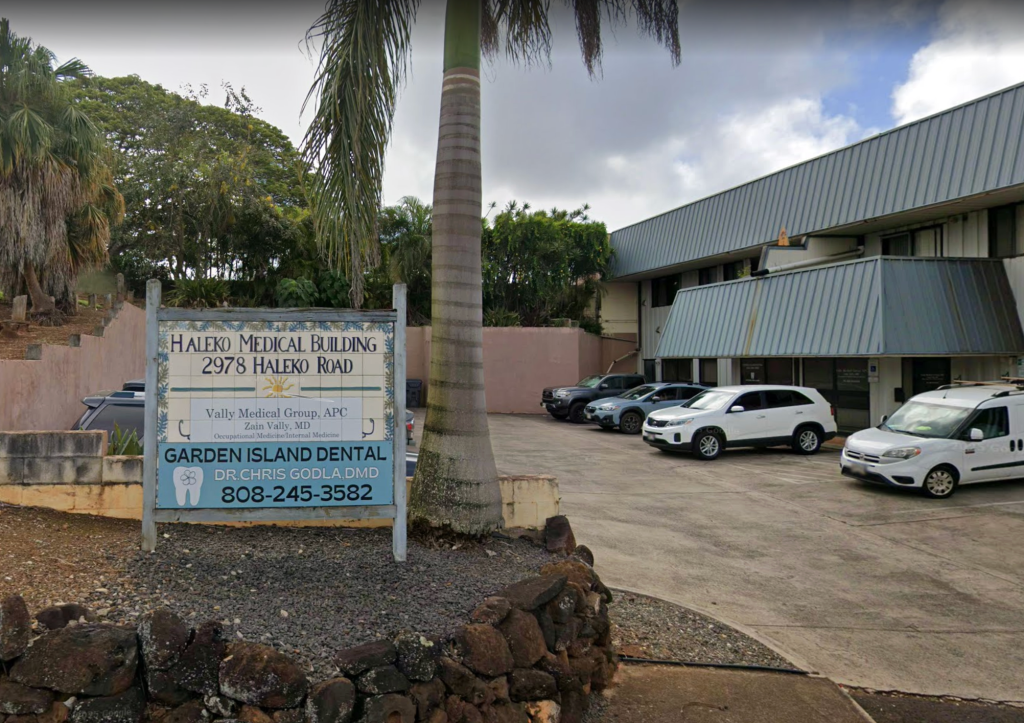
Big Island: We have clinics in both Hilo and Kona, so you don’t need to drive across the island for care. Our Kona clinic on Kuakini Highway means you’re within 10-15 minutes from anywhere in town.
Maui: Our Kihei clinic on Ohukai Road serves South Maui residents without the need to fight traffic to Kahului for every appointment.
Kauai: Centrally located in Lihue for convenient access from across the Garden Isle.
This distributed model recognizes that recovering from a workplace injury is challenging enough without adding hours of travel time to each medical visit. When you’re injured, in pain, and possibly dealing with work restrictions or lost wages, minimizing the logistical burden of medical care matters.
At-a-Glance Comparison
| Factor | Large Corporate Systems | Vally Medical Group |
|---|---|---|
| Provider Continuity | Rotating providers based on availability | Same doctor (Dr. Vally) every visit |
| Appointment Length | 15-20 minutes typical | 30-45 minutes for comprehensive evaluation |
| Treatment Approach | Standardized protocols | Personalized treatment plans |
| Pain Management | Often medication-focused | Opioid-free regenerative medicine |
| OWCP Expertise | Limited federal claim experience | OWCP-certified specialist |
| Decision Making | Corporate guidelines and quotas | Patient-centered, no corporate pressure |
| Geographic Coverage | Centralized hubs | Four neighbor island locations |
What to Expect at Your First Visit to Vally Medical Group
If you’re considering making the switch from a large system to private specialist care—or starting your workers’ compensation treatment with us from the beginning—here’s what your first visit looks like:
Comprehensive Initial Evaluation: Dr. Vally personally conducts a thorough assessment that typically takes 45-60 minutes. This isn’t a rushed encounter where the provider is already thinking about the next patient. We take the time to understand the full context of your injury.
Detailed Work History: We discuss the specific physical demands of your job, the mechanism of your injury, and how your work duties may be contributing to your condition. This information is crucial for both treatment planning and workers’ compensation documentation.
Individualized Treatment Plan: Based on your evaluation, we develop a customized treatment approach that addresses your specific injury, work demands, and recovery goals. This isn’t selected from a menu of standard protocols—it’s designed for your unique situation.
Insurance Coordination: Our staff handles all the workers’ compensation paperwork, authorization requests, and communication with insurance carriers. We verify your coverage, obtain necessary authorizations, and ensure proper billing so you never receive unexpected medical bills for covered treatments.
Clear Communication: We explain our findings, treatment recommendations, and expected timeline in plain language. You’ll understand what’s wrong, why we’re recommending specific treatments, and what to expect during recovery.
Frequently Asked Questions
Q: Can I switch doctors if I’ve already started treatment at a large occupational health system?
A: Yes. Under Hawaii workers’ compensation law, you have the right to change your treating physician. You’re allowed one change without prior approval from the insurance carrier. Any subsequent changes require authorization, but initial switches are your right. We handle all the transfer paperwork and coordinate with your previous provider to obtain your medical records.
Q: Will switching doctors delay my workers’ compensation claim or benefits?
A: No, if the transition is handled properly. We ensure seamless continuity by immediately notifying the insurance carrier of the provider change, obtaining authorization for ongoing treatment, and maintaining your treatment schedule without gaps. Your temporary disability benefits and medical coverage continue uninterrupted.
Q: Does workers’ compensation insurance cover treatment at a private specialist practice?
A: Yes. All workers’ compensation insurance carriers in Hawaii are required to cover treatment from your chosen physician, whether that’s a large corporate system or a private specialist practice. Your choice of provider doesn’t affect your benefits or coverage. We work directly with all major workers’ compensation carriers and handle the billing process.
Q: How quickly can I be seen for an initial evaluation?
A: We prioritize injured workers and typically can schedule initial workers’ compensation evaluations within 2-5 business days. For urgent situations, we often can accommodate same-week or next-day appointments. This is significantly faster than the 2-3 week wait times common at high-volume systems.
Q: What if I need to see a specialist for my injury (orthopedist, neurologist, etc.)?
A: As your treating physician, Dr. Vally coordinates all aspects of your care, including referrals to specialists when medically necessary. We have established relationships with excellent orthopedic surgeons, neurologists, pain management specialists, and other consultants throughout Hawaii. We handle the authorization process with your workers’ compensation carrier and ensure your specialist visits are properly covered.
Q: What should I bring to my first appointment?
A: Please bring your workers’ compensation claim number, your employer’s insurance information, a photo ID, any medical records from previous treatment, and a list of current medications. If you’ve had imaging studies (X-rays, MRI, CT scans) related to your injury, bring copies of the reports and films if available.
You Are Not a Number
The fundamental difference between large occupational health systems and private specialist practices comes down to this: in a high-volume corporate environment optimized for processing thousands of claims efficiently, you are necessarily one case among many. The system is designed for throughput, efficiency, and standardization.
In a private specialist practice, you are an individual patient whose complete recovery is our primary concern.
We don’t have corporate quotas dictating how many patients must be seen per hour. We don’t face pressure to close claims by certain dates to meet operational targets. We don’t answer to distant administrators focused on profit margins and system efficiency. Our only metric is your recovery—getting you back to full function, back to work, and back to your normal life.
This isn’t just philosophical rhetoric. It manifests in tangible ways throughout your care:
- Longer appointment times that allow thorough evaluation and treatment
- The same doctor at every visit who develops deep familiarity with your case
- Treatment decisions based solely on medical necessity, not protocol checkboxes
- Flexibility to try advanced treatments when standard approaches aren’t working
- Aggressive advocacy with insurance carriers when they question necessary care
- Detailed OWCP documentation that protects your federal benefits
- Convenient local access without long drives to centralized facilities
Making Your Choice: Next Steps
If you’ve been injured at work, you now understand that you have real choices about where to receive treatment. Those choices have significant consequences for your recovery, your relationship with your medical provider, and the ultimate outcome of your workers’ compensation claim.
Whether you’re considering a second opinion after starting treatment elsewhere, or you want to begin your claim with a specialist who will stay with you from day one, Vally Medical Group is here to provide the personalized, expert care you deserve.
Ready to Take Control of Your Recovery?
Schedule a Consultation:
Contact Vally Medical Group today to schedule your initial evaluation with Dr. Zain Vally:
- Kona (Big Island)
- Hilo (Big Island)
- Lihue (Kauai)
- Kihei (Maui)
For appointments at any of our 4 locations please call: (808) 935-6353
Book Your Appointment Online →
Learn More About Our Services:
- Workers’ Compensation Treatment in Hawaii (link to workers comp page)
- PRP Therapy for Work Injuries (link to PRP page)
- OWCP Federal Claims Specialists (link to OWCP page if you have one)
Stop Being Processed. Start Being Treated.
Your recovery deserves more than assembly-line medicine. It deserves a doctor who knows your name, understands your injury, and commits to your complete recovery—not just closing your file.
Contact Vally Medical Group today. Let us show you what workers’ compensation care should look like.
Medical References
This article is informed by current medical research and clinical guidelines, including:
- Centers for Disease Control and Prevention. CDC Clinical Practice Guideline for Prescribing Opioids for Pain — United States, 2022. MMWR Recomm Rep 2022;71(No. RR-3):1–95.
- State of Hawaii Department of Labor & Industrial Relations. Workers’ Compensation Information and Forms. Disability Compensation Division.
- U.S. Department of Labor. Office of Workers’ Compensation Programs (OWCP). Federal Workers’ Compensation Guidelines.