Every Hawaii workers' compensation claim has two opening documents. The employer's WC-1 establishes that an injury happened, and the physician's WC-2 says what the injury is, whether work caused it, what treatment it needs and when the worker can go back. Adjusters read the second one far more closely than the first.
This guide explains the WC-2 for the three people who depend on it: the injured worker who wants to know why care is or is not being approved, the employer or HR manager trying to follow a claim, and the adjuster who has to act on the report. It is written from the treating side, by a practice that files these every week on four islands.
The WC-2 Physician's Report is the form Hawaii's Disability Compensation Division prescribes for the reporting duty in HRS 386-96. Any physician, surgeon or hospital that treats an injured employee has to report the injury and the treatment on it, to the Division and to the employer.
Three documents get confused with it. The WC-1 belongs to the employer, billing runs separately on the workers' comp medical fee schedule, and the treatment plan is a request for authorization rather than a report, although the plan and the WC-2 travel together once care runs past the first fifteen visits.
The treating provider files it. That can be a physician's office, a surgeon, an urgent care or a hospital emergency department, and each provider who treats the worker has its own reporting duty. The patient's only role is making sure the provider has the employer's name and address and, if known, the carrier's name at the first visit.
A copy goes to the employer, which is how a company first learns what the doctor found and what restrictions apply. Employers who are not receiving copies should ask the carrier or the provider directly, since those reports drive return-to-work decisions.
| Report | Deadline under HRS 386-96 | What it covers |
|---|---|---|
| First | Within 7 days after the date of first attendance or service | History of the injury, diagnosis, cause, initial treatment, work status |
| Interim | At appropriate intervals while treatment continues | Diagnosis, prognosis, treatments, test results, whether the worker is improving, worsening or medically stable, disability dates, work restrictions, expected return date |
| Return to work | Within 7 calendar days of releasing the worker to any kind of work or of the stabilization date | The release itself, so the employer and carrier can adjust disability payments |
| Final | Within 7 days after termination of treatment | Outcome, permanent restrictions if any, whether an impairment rating is needed |
The form itself has a checkbox row for its type: First, First and Final (a single visit that ends treatment), Final, Interim, Consulting (a specialist's opinion) and Rating (a permanent impairment evaluation). Picking the right box tells the adjuster what to do with the report before reading a word of it.
The WC-2 asks the provider to identify the patient, the employer, the carrier and the provider, then to answer the questions a claim turns on. The core of the report is the clinical section: how the injury happened in the patient's account, the diagnosis, the objective findings, the treatment given and planned, and whether the accident described is the only cause of the patient's condition.
The second half is about work. It records whether the worker is disabled from work and from what date, what restrictions apply, when the provider expects a return, and whether the condition is medically stable. Those lines are what turn into temporary total disability checks, modified-duty offers and, eventually, a permanent disability rating.
Carriers approve what the report supports and ask questions about everything else. Five things make the difference between a WC-2 that gets acted on the day it arrives and one that sits in a queue.
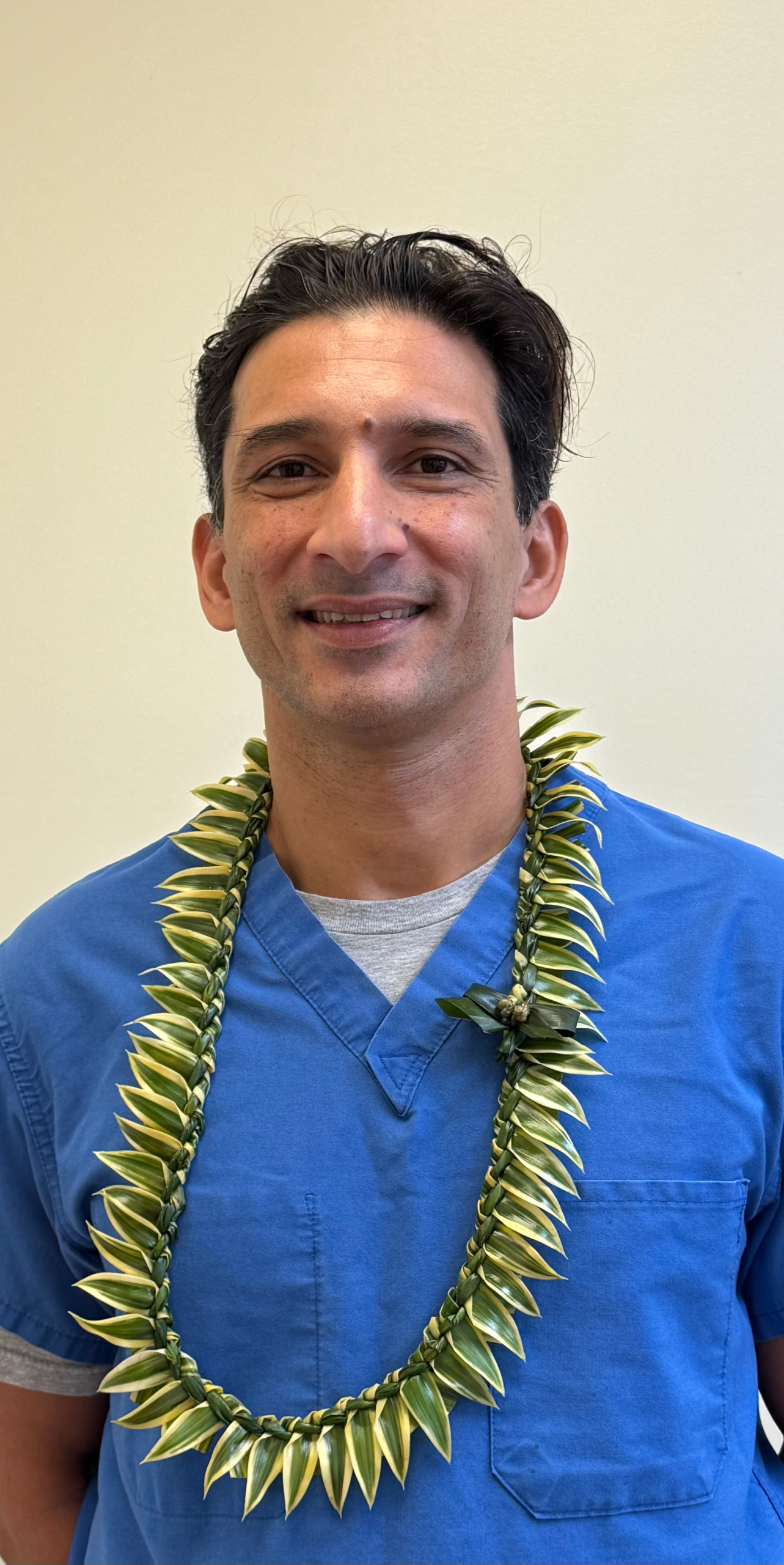
A note from Dr. Vally: The adjuster is not reading the WC-2 to learn medicine. They are reading it for three answers, whether work caused this, what the worker can and cannot do, and when that will change. I write every report so those three answers are impossible to miss, because a report that makes the adjuster hunt is a report that delays the patient's care.
HRS 386-96 puts real consequences on the provider. A claim for treatment or services is not valid unless the required reports were made, though the Division's director can excuse a late or missing report in the interest of justice. Where the director does not excuse a late first or interim report, or a final report that is thirty days late or never filed, the physician can be fined up to $500.
The worker feels it sooner than the provider does. With no first report on file the carrier has no diagnosis to authorize against, so imaging, therapy and specialist referrals wait, and temporary disability may not start. If you are an injured worker and your first visit was more than a week ago, ask the office whether the WC-2 went out; it is a fair question.
The Division's forms page lists the WC-2, together with the WC-1, among the forms that must be submitted through portal access. There is no current public PDF. Copies of older versions circulate on form-aggregator sites, and a provider new to Hawaii workers' comp should use the Division's current process rather than one of those.
For the worker and the employer the practical point is the same as before: the provider is responsible for getting the report filed, and either party can ask whether it was.
The WC-2 reports, and the treatment plan asks. Under HAR 12-15-32 a physician may provide fifteen treatments in the first sixty days without authorization, and treatment beyond that needs a written plan sent to the employer at least seven calendar days before it starts. The plan covers up to 120 days and fifteen treatments, and the Division publishes a standard form.
Most claims that run longer than two months need both documents on file, in step with each other. A treatment plan whose diagnosis and restrictions match the latest interim WC-2 is approved far more often than one that introduces new findings. The full picture of how the forms fit together is in the forms guide.
You choose your treating physician in Hawaii, and Vally Medical Group handles the WC-2, interim reports and treatment plans as part of your care at four locations. Workers' comp accepted. No referral required.
Start Your Intake OnlineAll locations accept workers' compensation. Appointments are by scheduling only. Call (808) 935-6353 or start your intake online.
Statute cited: HRS 386-96, reports of physicians, surgeons and hospitals, and HAR 12-15-32 for treatment plans. Form details from the DCD Forms page, November 2026. General information, not legal advice.