An employee just reported a work injury. The next 48 hours determine whether the claim goes smoothly or becomes a prolonged, expensive problem. Here's what to do, what not to do, and how the right medical provider reduces your costs and gets your worker back faster.
| When | What to Do |
|---|---|
| Immediately | Ensure the employee receives medical attention. For emergencies, call 911. For non-emergencies, allow the employee to seek medical care. Do not delay medical treatment to complete paperwork. |
| Same day | Document the incident. Record the date, time, location, what happened, who witnessed it, and any immediate symptoms the employee reported. Have the employee provide a written description in their own words. Preserve any physical evidence (photos of the scene, equipment involved, conditions). |
| Within 7 working days | File the WC-1 (Employer's Report of Industrial Injury) with your insurance carrier and the Hawaii Disability Compensation Division. Late filing can result in penalties of up to $2,500 per violation. |
| Within 7 working days | Notify your WC insurance carrier. Most carriers have 24-hour reporting hotlines. Early notification starts the claims process and avoids coverage disputes. |
| Ongoing | Maintain communication with the employee. Check on their condition. Ask if they need anything. Document all interactions. Open, respectful communication reduces adversarial dynamics and litigation risk. |
From the employer's perspective, the treating physician determines three things that directly affect your bottom line: how long the employee is off work (or on modified duty), whether the treatment is efficient or drawn out, and whether the employee returns to full duty or ends up with a permanent disability rating. The physician you suggest (and the employee may or may not choose) has an outsized impact on claim cost.
| Factor | Generic Provider | Occupational Medicine Specialist |
|---|---|---|
| Diagnosis speed | "Back strain." No imaging. Follow up in 2 weeks. Actual diagnosis delayed by weeks or months. | Specific anatomical diagnosis with in-office diagnostic ultrasound at the first visit. Treatment begins immediately. |
| Treatment approach | Rest, NSAIDs, generic PT referral. Months of conservative management before considering interventional treatment. | Targeted interventional treatment when indicated. PRP for structural repair. Opioid-free, which means no cognitive impairment, no dependence risk, and no return-to-work complications from medication. |
| Work restrictions | "Light duty" or "no heavy lifting." Your supervisor can't implement this because it doesn't describe specific tasks. | Trade-specific restrictions: "Can perform ground-level layout and equipment inspection. Cannot climb ladders or carry loads overhead." Your supervisor reads it and knows exactly what to assign. |
| Documentation | Minimal WC-2 reports. Treatment authorizations denied due to generic language. Delays and denials extend the claim. | Detailed WC-2 reports filed same day. Treatment authorizations submitted with specific medical justification. Fewer denials means faster treatment means shorter claims. |
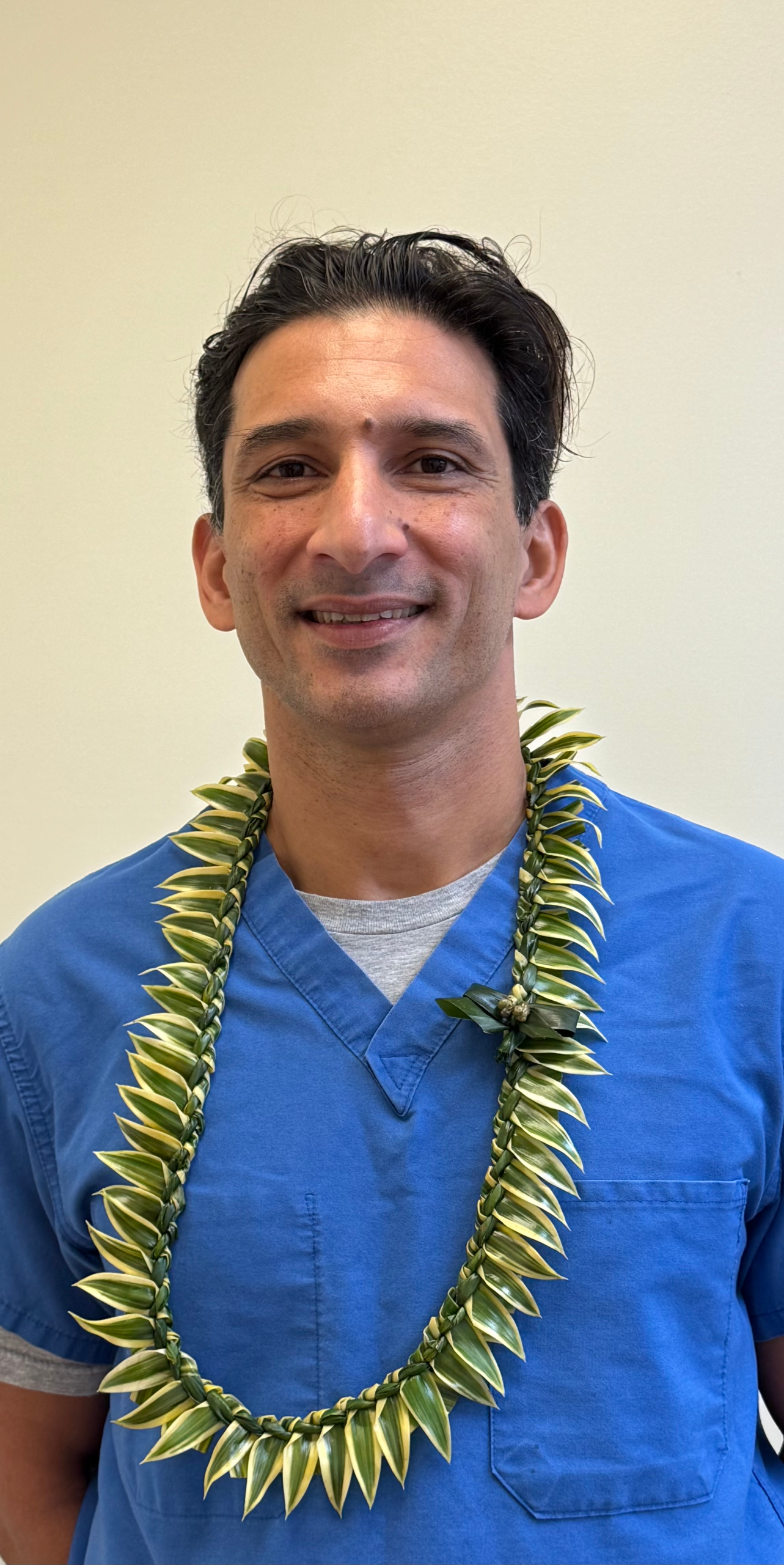
| Communication with employer | You call the clinic. They can't find the chart. Nobody calls back. You don't know when the employee can return. | Dr. Vally communicates directly with employers and safety managers about restrictions, accommodation questions, and return-to-work timelines. |
| Claim duration | Longer. Delayed diagnosis, conservative treatment, denied authorizations, and generic restrictions extend the claim by weeks or months. | Shorter. Accurate diagnosis, efficient treatment, approved authorizations, and implementable restrictions get workers back to full duty faster. See typical timelines. |
Your WC premium is calculated partly from your experience modification rate (EMR), which reflects your company's claim history compared to industry averages. Shorter claims with lower total costs reduce your EMR. Prolonged claims with high medical and indemnity costs increase it. The treating physician's efficiency directly affects your EMR and your premium for the next 3 years. A physician who gets the diagnosis right, gets treatment authorized quickly, and gets the worker back to full duty efficiently is saving you money on every future premium payment.
When the physician writes work restrictions, you have two options: provide modified work within those restrictions, or the employee stays on temporary total disability (TTD) at the carrier's expense (which affects your EMR).
Modified duty is in your financial interest. An employee performing productive work within restrictions costs you less than an employee sitting at home collecting TTD. The key is having restrictions specific enough to implement. "Light duty" is unimplementable for most trades. "Can sort materials and perform visual quality inspection but cannot lift above 25 lbs or climb" is immediately implementable on a construction site.
This is where the treating physician's understanding of your industry matters. A physician who understands construction work, resort operations, agricultural demands, or harbor operations writes restrictions that reflect the actual tasks available at your worksite. A physician who doesn't understand your industry writes generic restrictions that force a choice between violation and TTD.
Under Hawaii law, the employee chooses their treating physician. This sometimes means they choose a provider you didn't suggest. This is their legal right, and attempting to override it creates legal exposure.
What you can do: make the best available provider easy to find. Keep VMG's contact information in your HR files, your safety binder, and your break room. When an injury occurs, hand the employee VMG's card along with any other providers you suggest. If the employee chooses VMG, the communication, documentation, and restriction quality will reflect it. If they choose elsewhere, that's their right.
For HR managers and safety officers: VMG works directly with employers. If you want to discuss your workforce's injury patterns, understand what modified duty looks like for your industry, or establish VMG as a suggested provider for your team, call (808) 935-6353 and ask for an employer consultation. We can walk you through how our documentation and restriction process works and answer questions about what to expect when one of your employees becomes a patient.
| Industry | Common Injuries | VMG Location | Contact |
|---|---|---|---|
| Construction | Back injuries, rotator cuff, knee, carpal tunnel, falls | All 4 locations | (808) 935-6353 Online Intake |
| Resort / Hospitality | Rotator cuff, plantar fasciitis, back strain, knee | All 4 locations | |
| Agriculture | Back, tennis elbow, carpal tunnel, plantar fasciitis | Kona, Hilo | |
| Harbor / Maritime | Back, shoulder, crush injuries, slip and fall | Kona, Hilo | |
| Retail / Warehouse | Back strain, knee bursitis, carpal tunnel | All 4 locations | |
| Healthcare | Patient handling back injuries, needle sticks, repetitive strain | All 4 locations | |
| Federal (OWCP) | Varies by agency and role | All 4 locations |
VMG provides accurate diagnosis, efficient treatment, trade-specific restrictions, and documentation that moves claims forward instead of stalling them. Four Neighbor Island locations. Same-day WC-2 filing. Direct employer communication.
Call (808) 935-6353 →Monday–Friday 8am–4pm • Kona • Hilo • Lihue • Kihei
WC-1 Form Guide • Workers' Compensation Complete Guide • Return to Work After an Injury • Fired After a Work Injury (Employee Rights) • Claim Denied? • Treatment Timeline • Employee's Right to Choose • Occupational Medicine vs. Occupational Therapy
Disclaimer: This article is provided for informational and educational purposes only and does not constitute legal advice. Employer obligations under Hawaii workers' compensation law involve complex regulations that vary by circumstance. For specific questions about your obligations, consult a Hawaii employment attorney or your workers' compensation insurance carrier. For medical services and employer consultations, contact Vally Medical Group at (808) 935-6353.