A physician's guide for the construction crews, cleanup workers, first responders, and hospitality staff who are putting West Maui back together. Written to help you understand your health, your rights, and where to get specialized care close to home.
We recognize that the August 2023 wildfires caused devastating loss for the people of Lahaina and the broader Maui community. This article is written with respect for everyone affected and is intended as a practical medical resource for the workers who are rebuilding. If you are dealing with grief, loss, or trauma from the fires themselves, please also consider reaching out to Maui Strong or Hawaii CARES (dial 988) for community support services.
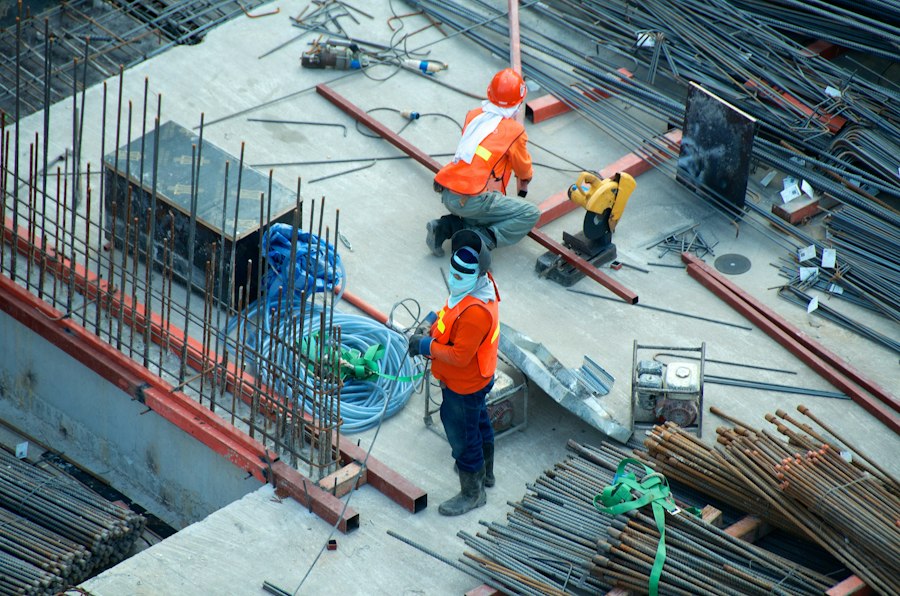
More than two years after the August 8, 2023 fires, Lahaina is in active rebuild. As of early 2026, hundreds of residential permits have been issued, roughly 300 homes are under construction, and more than 100 homes have been fully rebuilt. Every one of those structures represents the physical labor of construction workers on the ground. Framers, roofers, electricians, plumbers, concrete crews, and equipment operators are in the burn zone every day, and they are facing occupational health challenges that most medical providers on Maui are not specifically prepared to address.
Beyond construction, there are still debris workers managing the final phases of cleanup, utility workers restoring infrastructure, first responders who have been on the ground since the fires, and hospitality workers who have returned to reopened West Maui properties. Each of these groups faces unique health considerations.
This guide addresses a gap in available information. Workers have been dealing with symptoms they weren't sure were work-related, and clear answers have been hard to find about rights under Hawaii workers' compensation, the specific health risks associated with post-fire environments, and where to get specialized occupational medicine care on Maui. The goal here is to close that gap with practical, accurate information.
The August 2023 fires destroyed approximately 2,200 structures in Lahaina, killed 102 people, and displaced thousands of residents. The initial debris removal phase, led by the U.S. Environmental Protection Agency and the U.S. Army Corps of Engineers, cleared hundreds of thousands of tons of ash, burned material, and household hazardous waste. By early 2026, residential and commercial lot debris removal was reported at essentially 100% complete, allowing the rebuild phase to proceed in earnest.
According to county data and local reporting from late 2025 and early 2026, the rebuild numbers look roughly like this:
These numbers tell you something important. Lahaina is a massive, multi-year construction project. Workers will be on these sites for years to come, which means the occupational health exposures, injury risks, and cumulative physical demands will continue accumulating for the workforce involved. This is not a short-term situation.
The workforce involved in Lahaina's recovery is not one homogeneous group. Different roles carry different health risks, and understanding which category you fall into is the first step in protecting yourself.
| Worker Group | Primary Health Considerations |
|---|---|
| Rebuild Construction Crews (framers, roofers, electricians, plumbers, concrete workers, operators) |
Standard construction injuries (back strains, shoulder tendinopathy, knee and joint injuries, hand and wrist trauma) plus potential ongoing exposure to residual ash, dust, and contaminants in soil and building materials. Heat illness is a significant risk given the West Maui climate and the requirements for PPE on contaminated sites. |
| Debris and Hazmat Workers (EPA contractors, Army Corps teams, local debris crews) |
Respiratory exposure to ash containing heavy metals (arsenic, lead), asbestos fibers from older Lahaina buildings, heavy metal dust, and volatile organic compounds. Skin exposure to contaminated materials. Musculoskeletal injuries from handling heavy debris. Mental health impact from working in a disaster zone. |
| First Responders (firefighters, EMS, law enforcement) |
Acute smoke and chemical inhalation exposure during the fires and immediate aftermath. Elevated risk of PTSD and other trauma-related mental health conditions, which are well documented in disaster response literature. |
| Utility & Infrastructure Workers (HECO, water, telecom, road crews) |
Ongoing exposure to compromised infrastructure, electrical hazards during restoration work, confined space entries, and cumulative musculoskeletal demands from extended recovery operations. Many have been on the job continuously since 2023. |
| Hospitality & Service Workers (returning to reopened West Maui properties) |
Physical demands of restart operations (deep cleaning, setup, moving heavy items). Ongoing psychological impact of returning to work near the burn zone. Air quality concerns during active rebuild in adjacent areas. |
Construction workers are the largest group currently active in the burn zone. The construction injury patterns seen in Lahaina rebuild workers are similar to what you would expect on any large construction project, but there are some specific considerations worth noting.
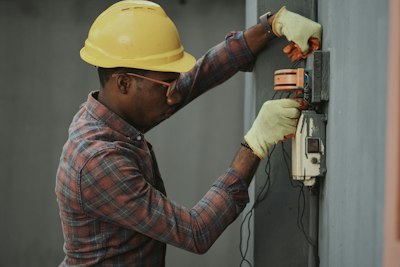
Back injuries are the most common work injury on any construction site, and the Lahaina rebuild is no exception. Lifting framing lumber, moving concrete forms, carrying roofing materials up ladders, and twisting while handling heavy loads all contribute to lumbar disc injuries, facet joint strain, and chronic lower back pain. The pace of the rebuild means many crews are working longer hours than they normally would, which increases cumulative load on the spine and reduces recovery time between shifts.
If you are experiencing lower back pain that persists for more than a few days, radiates down your leg, causes numbness or weakness, or interferes with sleep, that is not something to push through. These symptoms can indicate a disc herniation or nerve impingement that will get worse without proper evaluation.
Overhead work, particularly roofing and framing, puts sustained load on the rotator cuff. Shoulder impingement and rotator cuff tendinopathy develop gradually and are often dismissed by workers as "just sore shoulders" until the injury becomes severe enough to limit basic activities. Early intervention with regenerative treatments like PRP therapy or targeted injection therapy can often prevent a chronic shoulder problem from requiring surgery.
Kneeling on hard surfaces for extended periods, climbing ladders and scaffolding, and navigating uneven terrain in the burn zone contribute to knee injuries including meniscus tears, patellar tendinopathy, and progressive joint degeneration. Workers who had mild pre-existing knee issues often find those conditions significantly worsened after months on a rebuild site.
Heat illness is frequently underestimated on post-fire rebuild sites. Working in full PPE on contaminated sites in West Maui's climate creates real heat stress risk. Symptoms of heat exhaustion include heavy sweating, weakness, dizziness, headache, nausea, and muscle cramps. Heat stroke, the more severe form, can cause confusion, loss of consciousness, and is a medical emergency. Stay hydrated, take breaks in shaded or cooled areas, and do not push through symptoms of heat illness.
This is the area where post-fire recovery work differs most from typical construction. The ash and soil contamination in the Lahaina burn zone is not the same as dust on a regular job site.
According to testing data released by the Hawaii Department of Health and the U.S. EPA, ash samples from the Lahaina burn area showed elevated levels of toxic substances including arsenic, lead, and other heavy metals. Older buildings in Lahaina also contained asbestos, which can become airborne when disturbed during demolition or excavation work. Volatile organic compounds and naphthalene, a combustion byproduct, were detected above reference levels in air sampling during the initial cleanup phase.
What this means for you: The formal debris removal is complete, but residual contamination can persist in soil, on surfaces, and become airborne when disturbed by rebuild activities. Heavy metals like arsenic and lead do not break down over time. They can enter your body through inhalation of disturbed dust, ingestion from contaminated hands, or skin absorption.
If you have been working in the Lahaina burn zone and you are experiencing any of the following, these are symptoms that warrant medical evaluation: persistent cough, shortness of breath, wheezing, chest tightness, unusual fatigue, new headaches, skin rashes or irritation, or symptoms that worsen during or after work shifts and improve when you are away from the site. Nasal congestion, throat irritation, and dry eyes are also common in workers with significant dust exposure.
These symptoms do not automatically mean you have a serious condition. Many of them can be caused by less serious irritation from dust alone. But they should be evaluated by a physician who understands occupational exposure medicine, not dismissed or self-treated indefinitely.
If you are working in areas with potential residual contamination, wearing a properly fitted N95 or higher-rated respirator is the most important thing you can do to protect your respiratory health. Surgical masks and cloth face coverings do not provide adequate protection from fine particulates or heavy metal dust. Make sure your employer is providing appropriate respiratory protection and that you have been fit-tested for the respirator you are using. If you are self-employed or working on a small crew, OSHA's respiratory protection standard still applies and your employer is responsible for providing PPE.
Working in a disaster recovery environment is physically demanding, but it can also take a psychological toll that workers sometimes underestimate. Difficulty sleeping, intrusive memories, unusual irritability, emotional numbness, anxiety, and persistent low mood can all develop in people who have spent significant time in environments connected to traumatic events. These symptoms are well documented in the medical literature on disaster recovery work and are not a sign of personal weakness.
If you are experiencing any of these symptoms and they are affecting your sleep, your relationships, or your ability to focus at work, the most important step is talking to a qualified healthcare provider or mental health professional. Early evaluation and treatment makes a meaningful difference. Trauma-related conditions respond well to care, and there are effective evidence-based treatments available.
Common symptoms of work-related trauma can include intrusive memories or flashbacks, nightmares and sleep disturbances, emotional numbness or detachment, irritability and difficulty concentrating, physical symptoms like headaches or stomach problems, avoidance of people or places that remind you of difficult events, and hypervigilance or exaggerated startle response. These symptoms can develop weeks, months, or sometimes years after the events that triggered them. If any of these sound familiar, talk to a doctor or mental health professional about next steps.
If you need mental health support, several resources are available to Hawaii residents. Hawaii CARES provides free, confidential crisis support and can be reached by dialing 988. The Hawaii Adult Mental Health Division maintains a directory of services. The Maui Strong Resource Directory includes ongoing support services specifically for people affected by the 2023 wildfires.
Mental health conditions related to disaster work are a well-documented medical consequence of exposure to traumatic events, and they respond to treatment. Seeking care for trauma-related symptoms is a normal and appropriate part of taking care of your overall health.
If you are injured or develop a medical condition related to your Lahaina recovery work, Hawaii workers' compensation is designed to protect you. Here are the key points you need to know.
You are entitled to medical coverage. Hawaii places no monetary cap on medical benefits for work injuries. Treatment is covered for as long as it is needed.
You can choose your own doctor. Your employer may hand you a list of suggested clinics, but Hawaii law gives you the right to choose any licensed physician practicing on the island where you reside. You are not required to see the doctor your employer recommends.
Occupational illnesses from exposure are covered. You do not need a specific accident date for a valid claim. Conditions that develop gradually from cumulative exposure, including respiratory conditions from dust and contaminants, are compensable under Hawaii law.
The statutory presumption favors you. When you file a claim, there is a legal presumption that your injury is work-related. The burden is on the employer to produce substantial evidence to rebut that presumption.
You have wage replacement rights. If you cannot work because of your injury, temporary total disability benefits pay 66.67% of your average weekly wages, beginning after a three-day waiting period.
Report your condition as soon as possible. Delayed reporting is one of the most common reasons workers' comp claims get disputed. If you believe your symptoms are work-related, report the condition to your employer in writing immediately.
For a complete breakdown of Hawaii's workers' compensation system, including how to file, what benefits are available, and what to do if your claim is denied, see our Hawaii Workers' Compensation Complete Guide.
A significant portion of the Lahaina recovery workforce has been federal: EPA cleanup contractors, Army Corps of Engineers personnel, FEMA staff, and civilian federal employees from multiple agencies. If you are a federal employee and you were injured or developed a medical condition from your recovery work, your claim is filed through the Office of Workers' Compensation Programs (OWCP), not Hawaii state workers' compensation.
OWCP claims have different documentation requirements than state workers' comp, and the medical narrative is critical. A federal claims examiner needs to see a detailed explanation linking your specific duties to the physiology of your injury or illness. "Low back pain from construction work" is not enough. The narrative needs to describe the biomechanical stresses of your specific role, the exposures you experienced, and the medical evidence supporting the causal connection.
This is where choosing an occupational medicine provider experienced with OWCP makes a substantial difference. We treat federal workers across Hawaii and understand what OWCP examiners need to see. For more on federal workers' comp, see our OWCP guide.
Vally Medical Group's Kihei clinic at 310 Ohukai Road serves injured workers throughout Maui, including Lahaina recovery crews. We accept Hawaii workers' compensation, OWCP federal claims. If you are dealing with a work-related injury or health condition and you need a doctor who understands occupational medicine and works with the workers' comp system, we're here.
Visit Our Maui Clinic Page →(808) 935-6353 • Monday–Friday 8am–4pm • 310 Ohukai Rd, Kihei
Hawaii Workers' Compensation Complete Guide • Maui Resort Worker Injury Treatment • Workers' Comp Doctor in Kihei • Vally Medical Group Maui Clinic • Chronic Pain Treatment Hawaii • PRP Therapy • WC-1 Form Guide
Disclaimer: This article is provided for informational and educational purposes only and does not constitute legal or medical advice. Workers' compensation laws and regulations are subject to change, and individual claims depend on the specific facts of each case. For questions about your legal rights, consult a Hawaii workers' compensation attorney. For medical concerns, consult a qualified physician. The patient scenarios and injury patterns described are composite and general, not specific to any individual patient.