Harvest runs August through January. Six months of bending, picking, carrying, and processing on volcanic slopes. The injuries are predictable, treatable, and covered by workers' compensation. Most coffee workers don't know that.
Kona coffee is hand-picked. Every cherry is individually gripped, twisted from the branch, and dropped into a picking bag worn around the waist. There is no mechanical harvester for Kona coffee because the steep volcanic slopes, dense tree spacing, and selective ripeness requirements make mechanization impractical. This means every pound of Kona coffee passes through a human hand, and every pound adds cumulative load to the picker's back, shoulders, elbows, wrists, and feet.
During peak harvest (September through November), pickers work 8-10 hour days, 6 days a week. A productive picker fills 200-300 pounds of cherry per day. Each cherry requires a grip-and-twist motion. Multiply that motion by thousands of repetitions per shift, across 150+ harvest days per season, and the tendon loading numbers become staggering.
The terrain compounds the injury risk. The Kona Coffee Belt runs from roughly 800 to 2,500 feet elevation on the slopes of Hualalai and Mauna Loa. The ground is volcanic: uneven, rocky, and often muddy during afternoon tropical showers. Pickers carry full bags (40-50 lbs) downhill on this terrain to collection points. The asymmetric spinal loading from carrying a heavy bag on one shoulder down a 15-20 degree slope is one of the most damaging biomechanical patterns in all of agriculture.
| Task | Physical Demands | Injuries | Treatment |
|---|---|---|---|
| Picking | Sustained bending at waist, reaching into dense foliage, repetitive grip-and-twist to separate cherry from branch, 1,000+ repetitions per hour | Lumbar disc herniation, lateral epicondylitis, carpal tunnel syndrome | Epidural injection for disc herniation. PRP for chronic tendon degeneration. Trigger point injection for secondary muscle spasm. |
| Carrying | Transporting 40-50 lb bags of cherry downhill on steep volcanic slopes, asymmetric shoulder loading, unstable footing | Rotator cuff strain, lumbar facet injury from asymmetric loading, knee injuries from downhill impact, ankle sprains from loose volcanic rock | Subacromial injection for shoulder inflammation. PRP for rotator cuff tendinopathy. Facet injection for lumbar facet pain. Joint injection for knee. |
| Walking/standing | 6-8 miles per shift on uneven volcanic terrain, steep slopes, wet surfaces during afternoon rain | Plantar fasciitis, hip bursitis from sustained walking on camber, ankle injuries from unstable footing | PRP for plantar fascia degeneration (outperforms cortisone long-term). Trochanteric bursa injection for hip bursitis. |
| Pulping/processing | Operating mechanical pulper, sorting and grading cherry, raking drying beds, moving heavy burlap sacks of parchment | Carpal tunnel from equipment vibration and repetitive hand motions, back strain from lifting sacks | Ultrasound-guided carpal tunnel injection. Trigger point injection for forearm extensors. PRP for chronic cases. |
| Pruning (pre-harvest) | Overhead cutting and pulling branches, sustained arm elevation, operating hand tools (loppers, pruning saws), clearing brush | Rotator cuff tendinopathy from sustained arm elevation, medial epicondylitis from gripping tools, cervical strain from looking upward | Subacromial injection. PRP for chronic rotator cuff. Trigger point injection for cervical musculature. |
Coffee harvest is seasonal income. Pickers earn per pound of cherry picked, and the harvest window is finite. Missing a week of picking during peak season means missing the highest-earning days of the year. The financial pressure to keep picking through pain is enormous, and most coffee workers do exactly that.
The medical consequence is predictable. An acute tendon inflammation that would resolve in 2-3 weeks with rest and treatment becomes chronic tendon degeneration after months of continued loading. A disc bulge that would respond to conservative management becomes a full herniation with nerve compression after continued bending and carrying. A plantar fascia that's inflamed in August is degenerated by December. By the time the worker seeks treatment in January, the condition has progressed past the stage where anti-inflammatories help. It needs PRP therapy to repair the degenerated collagen that months of overloading produced.
The better approach: seek treatment at the first sign of persistent pain, even during harvest. VMG writes harvest-specific work restrictions that keep you picking in a modified capacity (limiting bag weight, adjusting picking height, alternating with sorting or processing tasks) while the injury is treated. This prevents a 3-week problem from becoming a 6-month problem.
Many coffee workers don't realize that injuries sustained during harvest are covered by workers' compensation. Any Hawaii employer with one or more employees is required to carry WC insurance, including agricultural operations. Injuries that develop gradually from repetitive picking are compensable as cumulative trauma injuries under Hawaii law. You choose your own doctor. You never see a bill. The carrier pays for all authorized treatment. If your farm employer tells you agricultural workers aren't covered, that's incorrect.
Harvest is the highest-injury period, but coffee farming produces injuries year-round. Pruning (January through March) involves sustained overhead work that produces rotator cuff injuries and cervical strain. Fertilizing and weed control involve carrying heavy bags and operating equipment that vibrates. Irrigation repair requires bending, crawling, and working in awkward positions. Field maintenance involves machete work that produces epicondylitis and hand injuries.
The macadamia nut operations on the Big Island's east side produce similar injury patterns: repetitive bending during harvesting, back strain from carrying filled bags, hand and wrist injuries from processing, and vibration exposure from mechanized sorting equipment. Diversified farms along the Hamakua Coast add their own variations. Every agricultural operation on the Big Island produces occupational injuries. Every one of those injuries is treatable. And every one is covered by workers' compensation.
Insurance carriers deny agricultural injury claims using two arguments: the condition is age-related (not occupational), or the worker caused the injury through recreational activities outside work. The medical documentation must preemptively address both.
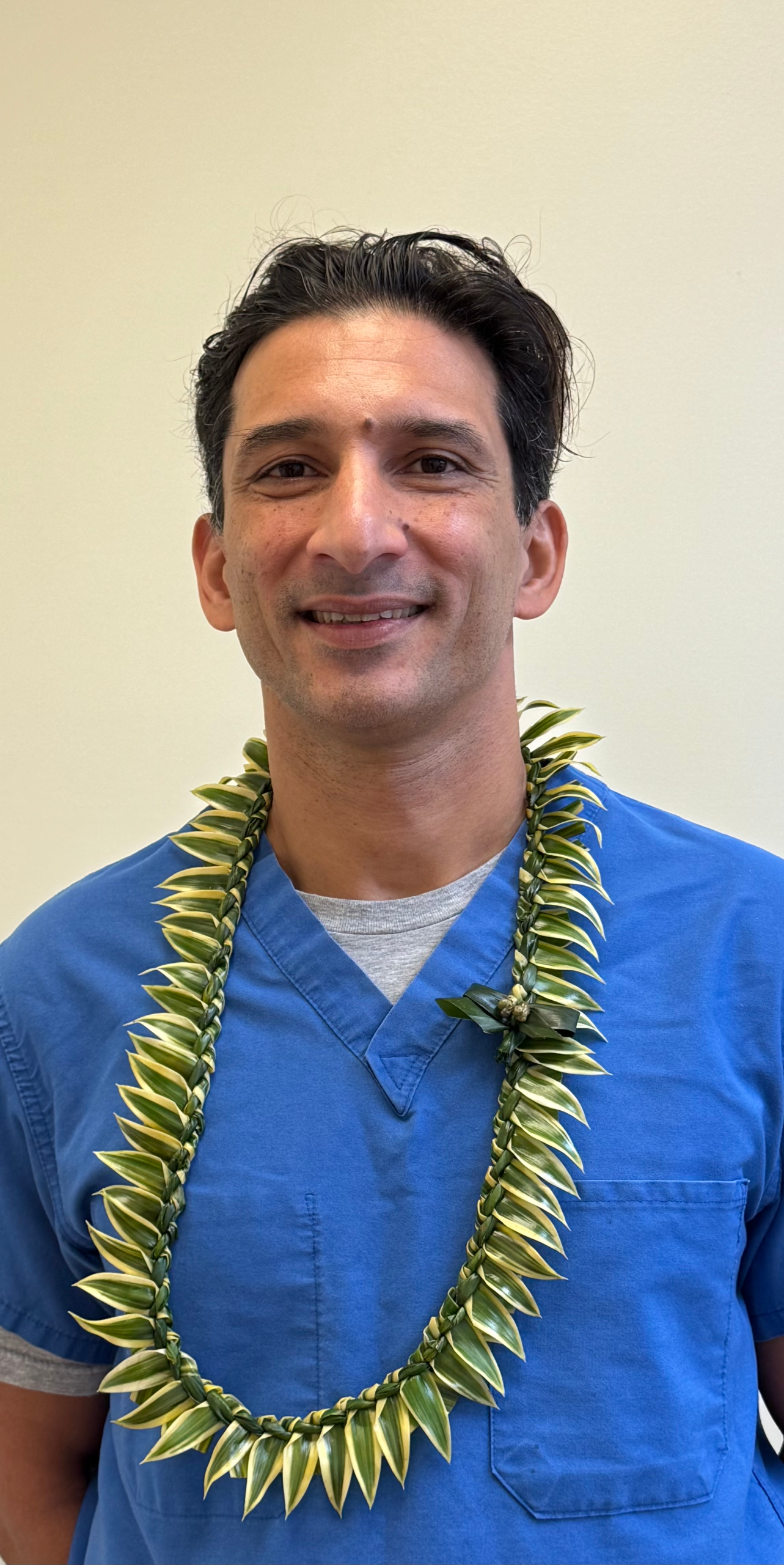
Dr. Vally documents the specific occupational exposure in detail: picking technique (grip type, wrist position, repetition rate), bag weight and carrying distance, terrain grade and surface conditions, hours per shift and days per week during harvest, total seasons worked, and the biomechanical mechanism connecting those specific demands to the diagnosed structural damage. This level of detail is what distinguishes a claim that gets approved from one that gets denied.
For cumulative injuries (which most coffee harvest injuries are), the documentation must also establish that the occupational exposure is the primary or substantial contributing cause, not simply one factor among many. A picker who has been hand-harvesting coffee for 8 seasons and develops lateral epicondylitis has a strong occupational causation argument when the documentation connects 8 years of daily grip-and-twist motions (thousands per shift) to the specific tendon degeneration at the common extensor origin. A report that just says "the patient has tennis elbow from work" does not.
Seasonal workers and mainland pickers: Some Kona coffee farms bring in seasonal workers from the mainland or from other countries. If you were hired to pick coffee in Kona and sustained an injury during the harvest, Hawaii's workers' compensation law applies to your injury regardless of where you're from or where your permanent address is. The injury occurred on a Hawaii work site during Hawaii employment. You are entitled to treatment and benefits under Hawaii WC law.
| Detail | Information |
|---|---|
| Location | 81-6587 Mamalahoa Hwy, Kealakekua, HI 96750 |
| Phone | (808) 935-6353 |
| Hours | Monday through Friday, 8am to 4pm |
| From Captain Cook | ~5 minutes |
| From Holualoa | ~15 minutes |
| From Honaunau | ~10 minutes |
| From Kailua-Kona | ~20 minutes |
| Treatments | PRP, epidural injection, facet injection, trigger point injection, nerve block, HBOT, IR sauna (Kona exclusive), PENS/TENS. All ultrasound-guided. |
| Insurance | All Hawaii workers' compensation carriers. You never see a bill. |
The Kona clinic is located on Mamalahoa Highway in Kealakekua, directly on the route that coffee workers drive between farms and home. No detour, no long drive. Schedule appointments before or after picking shifts to minimize lost harvest time.
A 3-week injury treated early doesn't become a 6-month injury treated late. VMG's Kona clinic is 10 minutes from the Coffee Belt. Harvest-specific work restrictions keep you earning while you heal. Workers' comp accepted.
Schedule Your Evaluation →(808) 935-6353 • Monday–Friday 8am–4pm • Kealakekua
Kona Clinic • Big Island Worker Injuries • Sciatica Treatment • Tennis Elbow Treatment • Carpal Tunnel Treatment • Plantar Fasciitis Treatment • Rotator Cuff Treatment • PRP Therapy • HBOT • Return to Work • Right to Choose Your Doctor • Workers' Compensation Guide
Disclaimer: This article is provided for informational and educational purposes only and does not constitute medical or legal advice. Treatment outcomes vary between individuals and depend on injury severity and individual factors. For questions about your workers' compensation rights, consult a Hawaii workers' compensation attorney. For medical evaluation, contact Vally Medical Group at (808) 935-6353.