The honest answer, by condition. What realistic recovery looks like, what slows it down, and how to tell the difference between a claim that's progressing normally and one that's being pushed toward early closure.
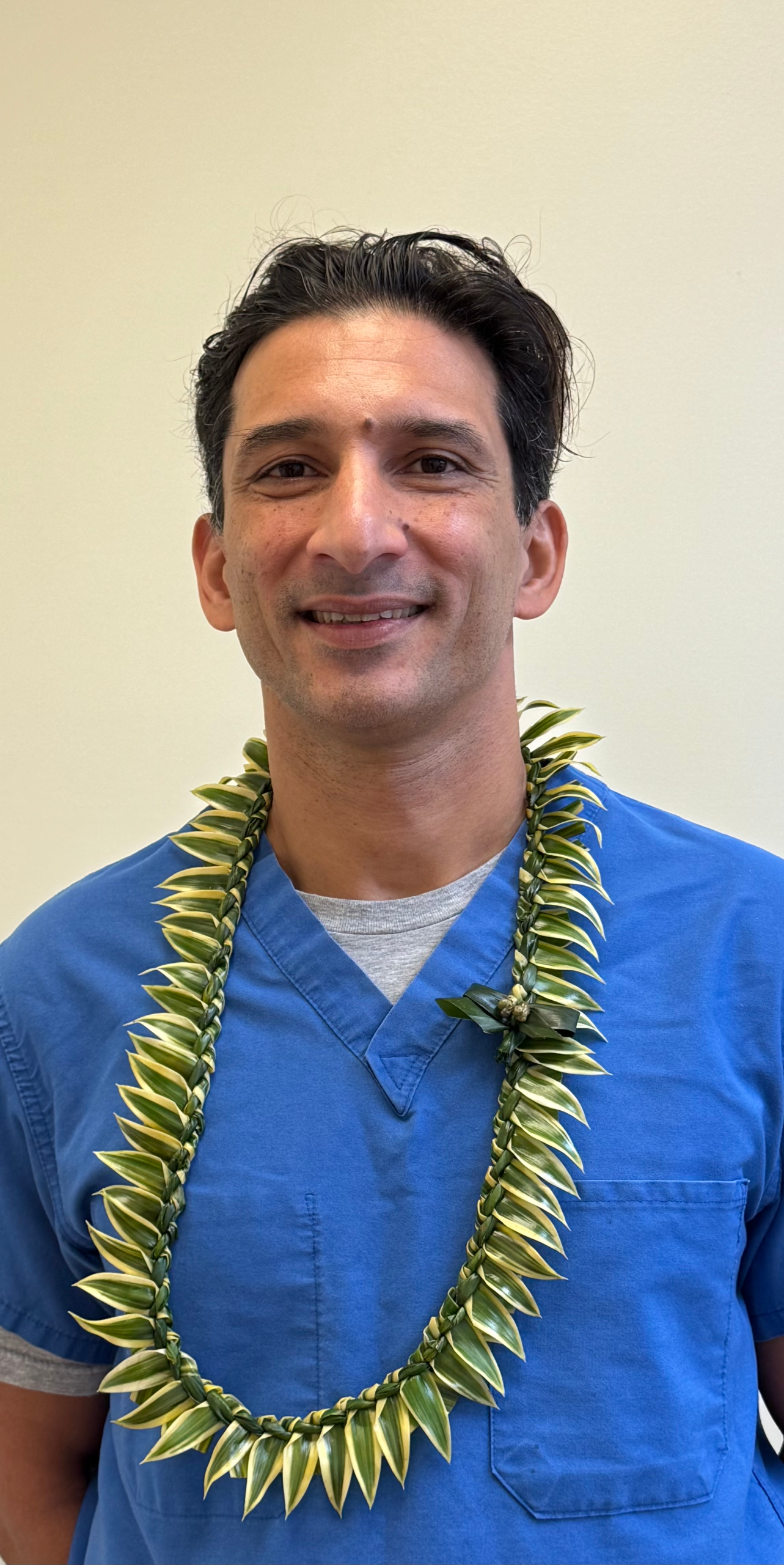
These timelines assume accurate diagnosis, appropriate interventional treatment, and timely treatment authorization. Every case is different. These ranges represent what Dr. Vally sees in practice when the diagnosis is correct and the treatment plan is executed without significant delays.
| Condition | Initial Relief | Functional Recovery | Key Treatment |
|---|---|---|---|
| Lumbar disc herniation | 3-7 days after epidural injection | 4-8 weeks for significant improvement. 3-6 months for full return to heavy labor. | Epidural steroid injection (series of up to 3). PRP for chronic disc damage. |
| Sciatica | 3-7 days after epidural injection | 4-8 weeks. Leg symptoms resolve before back pain in most cases. | Epidural injection targets the compressed nerve root. Selective nerve root block if multi-level. |
| Rotator cuff tendinopathy | Days after subacromial injection | 6-12 weeks for partial tears. 3-6 months for significant tendinopathy. Surgical referral if full-thickness tear in active worker. | Subacromial injection for inflammation. PRP for structural tendon repair. Guided rehab. |
| Neck pain / whiplash | 3-7 days after cervical injection | Mild whiplash: 4-8 weeks. Disc herniation with radiculopathy: 6-12 weeks. Chronic cervical pain: 3-6 months. | Cervical epidural, facet injection, trigger point injection. PRP for chronic disc damage. |
| Tennis elbow | PRP: 2-4 weeks. Cortisone: 2-3 days (but reverses at 3 months). | 6-12 weeks with PRP + eccentric loading. Chronic cases: 3-4 months. | PRP outperforms cortisone long-term. Eccentric loading protocol (Tyler Twist). |
| Carpal tunnel syndrome | Days after ultrasound-guided injection | Mild-moderate: 4-8 weeks with injection + ergonomic modification. Severe: may require surgical referral. | Ultrasound-guided carpal tunnel injection. Ergonomic work modifications. PRP for chronic cases. |
| Hip bursitis / OA | 24-48 hours after joint/bursa injection | Bursitis: 4-6 weeks. OA: ongoing management with PRP every 6-12 months. End-stage OA: surgical referral. | Hip joint injection (therapeutic + diagnostic). PRP for sustained improvement. Trochanteric bursa injection. |
| Knee pain / meniscus / OA | 24-48 hours after joint injection | Bursitis: 3-6 weeks. Meniscus (non-surgical): 6-12 weeks. OA: PRP every 6-12 months. Locked meniscus: surgical referral. | Joint injection, PRP (gold standard for knee OA at 6-12 months), trigger point injection for compensatory muscle pain. |
| Plantar fasciitis | PRP: 2-4 weeks. Cortisone: days. | 6-12 weeks with PRP + structured loading protocol. Chronic cases: 3-4 months. | PRP repairs degenerated fascia. Cortisone for acute bridge only (risk of fascia rupture with repeated use). |
| Muscle strain (acute) | Immediate with trigger point injection | 2-4 weeks for mild. 4-6 weeks for moderate. 6-8 weeks for severe with partial tearing. | Trigger point injection, PENS/TENS, guided return to activity with progressive loading. |
If you've been in treatment for longer than the ranges above and you're not seeing improvement, the problem may not be your body's ability to heal. It may be the treatment approach. A wrong diagnosis, symptom-only treatment, or a provider who isn't getting treatment authorizations approved can stretch recovery timelines indefinitely. The clock doesn't start on real recovery until the right treatment begins.
The single biggest factor. A patient whose hip pain is misdiagnosed as back pain spends months receiving lumbar treatment that doesn't address the actual source. A patient whose cervical radiculopathy is treated as carpal tunnel gets wrist splints and ergonomic modifications while the nerve compression in the neck continues to worsen. Every week spent treating the wrong structure is a week added to the real recovery timeline. Getting the diagnosis right at the first visit, with a thorough examination and diagnostic ultrasound when indicated, is the most important time-saving step in the entire process.
This is the factor most patients don't realize exists. Your doctor recommends an epidural injection. The recommendation goes to the insurance carrier for authorization. The carrier's utilization review team evaluates the medical justification. If the documentation is strong, authorization may come in 3-5 business days. If the documentation is weak, incomplete, or uses generic language, the carrier requests additional information, sends it to peer review, or denies it outright. Each round of back-and-forth adds 1-4 weeks. A denial and appeal can add 4-8 weeks.
This is why documentation quality directly determines recovery speed. A physician who writes detailed treatment authorization requests with specific medical justification, imaging findings, failed conservative measures, and clinical rationale gets authorizations approved faster. A physician who submits generic one-paragraph requests gets denied and delays treatment by weeks or months.
Rest, oral anti-inflammatories, and generic physical therapy address symptoms without treating the structural damage causing them. A patient on this plan may feel somewhat better (the medication is suppressing the pain signal) but the torn tendon, herniated disc, or degenerated cartilage isn't being repaired. When the medication is discontinued or the PT ends, the pain returns because the underlying condition hasn't changed. Weeks or months have passed with no structural improvement. The clock on real recovery hasn't started.
Premature return to unrestricted work is one of the most common causes of re-injury and prolonged claims. A construction worker whose disc herniation has improved 60% returns to full lifting because the restriction was too generic or the employer pressured an early return. The disc re-herniates. Recovery starts over, but now with a more damaged structure that's harder to treat. Progressive, trade-specific work restrictions with documented milestones for advancement prevent this cycle. The return-to-work program should transition from modified duty to full duty in stages, not in a single jump.
Seeing a different doctor at every visit means nobody is tracking your progress longitudinally. Subtle improvements get missed. Treatment plans don't get adjusted based on response. Nobody notices when the diagnosis should be reconsidered because the expected improvement hasn't materialized. Continuity of care isn't a convenience. It's a clinical requirement for efficient recovery. At VMG, Dr. Vally personally manages every visit, every adjustment, and every milestone assessment.
Patients often blame the injury for slow recovery when the actual delay is administrative. Understanding the authorization timeline helps you recognize when the system is the bottleneck, not your body.
| Step | Typical Timeline | What Happens |
|---|---|---|
| First visit and diagnosis | Day 1 | Dr. Vally evaluates, diagnoses, and submits the WC-2 report and initial treatment authorization request the same day. |
| Authorization review | 3-10 business days | The carrier's utilization review team evaluates the request. Strong documentation: approved in 3-5 days. Weak documentation: additional information requested, adding 1-2 weeks. |
| If denied: appeal | 2-6 weeks additional | VMG submits supplemental documentation with additional medical justification, imaging correlation, and peer-reviewed literature support. Most denials are reversed on appeal when the documentation is detailed. |
| Treatment begins | Within days of authorization | Once authorized, treatment is scheduled promptly. Trigger point injections may be performed the same day as evaluation if the diagnosis is clear. |
| Follow-up and adjustment | Every 2-4 weeks | Dr. Vally assesses response, adjusts the treatment plan, updates work restrictions, and sends progress reports to the carrier. |
| Additional treatment authorizations | 3-10 business days each | Each new procedure (e.g., moving from injection to PRP, or a second injection series) requires a separate authorization. The same documentation quality principles apply. |
What VMG does differently: Treatment authorization requests are submitted the same day as the evaluation. The requests include specific diagnostic findings, imaging correlation, failed conservative measures, clinical rationale citing evidence-based guidelines, and a clear treatment plan with expected outcomes. This level of detail is why VMG's authorization approval rate is high and turnaround times are faster than average. When denials occur, we appeal with supplemental documentation rather than accepting the denial or asking you to handle it.
Maximum medical improvement (MMI) is the point at which your condition has stabilized and is unlikely to improve further with additional treatment. At MMI, the active treatment phase of your workers' compensation claim ends. You may still have residual symptoms, but they are expected to remain stable rather than improve. Any permanent impairment is rated at this point, which determines whether you are entitled to permanent partial disability benefits.
MMI is a legitimate medical determination when it's based on objective evidence: functional testing shows plateaued improvement over multiple visits, imaging shows no further structural change, and the treatment response has peaked. The problem is when carriers push for premature MMI to close the claim before you've finished recovering.
If the carrier is pushing for MMI and you don't agree, your treating physician's opinion carries significant weight. Dr. Vally documents objective functional milestones at each visit specifically so the medical record shows whether you are still improving. A record that shows measurable progress between visits is the strongest defense against premature MMI. If progress has genuinely plateaued after all appropriate treatments have been tried, then MMI is the correct determination. If progress is ongoing or appropriate treatments haven't been authorized yet, MMI is premature.
If you believe your claim is being closed prematurely, consult a Hawaii workers' compensation attorney. This is a legal question as much as a medical one.
The first visit determines the trajectory of the entire case. A physician who accurately diagnoses the specific structure causing your pain, orders or performs appropriate diagnostic imaging, and submits a well-documented treatment authorization on day one puts the recovery timeline on the fastest possible track. A physician who prescribes rest and ibuprofen and schedules a follow-up in two weeks has added two weeks before the real diagnostic process even begins. Choose carefully.
Work restrictions exist to protect the injured structure while it heals. Violating them to avoid losing income or because your employer pressures you is the most common cause of re-injury and prolonged recovery. If the restrictions aren't workable for your specific job, tell your doctor. Dr. Vally writes trade-specific restrictions that keep you working in a modified capacity rather than unrealistic generic restrictions that force a choice between compliance and income.
If you've been in treatment for 6-8 weeks without measurable improvement, something needs to change. Either the diagnosis needs to be reconsidered, the treatment approach needs to escalate from conservative to interventional, or the provider needs to change. Your injury is not getting better is not a permanent state. It's a signal that the current approach isn't working.
| Location | Address | Phone |
|---|---|---|
| Kona | 81-6587 Mamalahoa Hwy, Kealakekua, HI 96750 | (808) 935-6353 |
| Hilo | 82 Puuhonu Pl, Suite 202-203, Hilo, HI 96720 | (808) 935-6353 |
| Lihue | 2978 Haleko Rd Suite B, Lihue, HI 96766 | (808) 935-6353 |
| Kihei | 310 Ohukai Rd Suite 309, Kihei, HI 96753 | (808) 935-6353 |
All locations accept all Hawaii workers' compensation insurance carriers and OWCP for federal employees. By appointment only. Call or start intake online.
The clock on real recovery starts when the diagnosis is right and the treatment targets the structural cause. Vally Medical Group gets it right at the first visit. Opioid-free. Ultrasound-guided. Four Neighbor Island locations.
Schedule Your Evaluation →(808) 935-6353 • Monday–Friday 8am–4pm • All locations
What to Expect at Your First Visit • Why Your Injury Isn't Getting Better • Return to Work Programs • Right to Choose Your Doctor • Workers' Compensation Guide • Claim Denied? • PRP Therapy • Injection Therapy • Ultrasound-Guided Procedures • Opioid-Free Pain Management
Disclaimer: This article is provided for informational and educational purposes only and does not constitute medical or legal advice. Recovery timelines are estimates based on typical clinical experience and vary by individual, injury severity, and treatment response. For questions about your workers' compensation rights, maximum medical improvement, or disability rating, consult a Hawaii workers' compensation attorney.